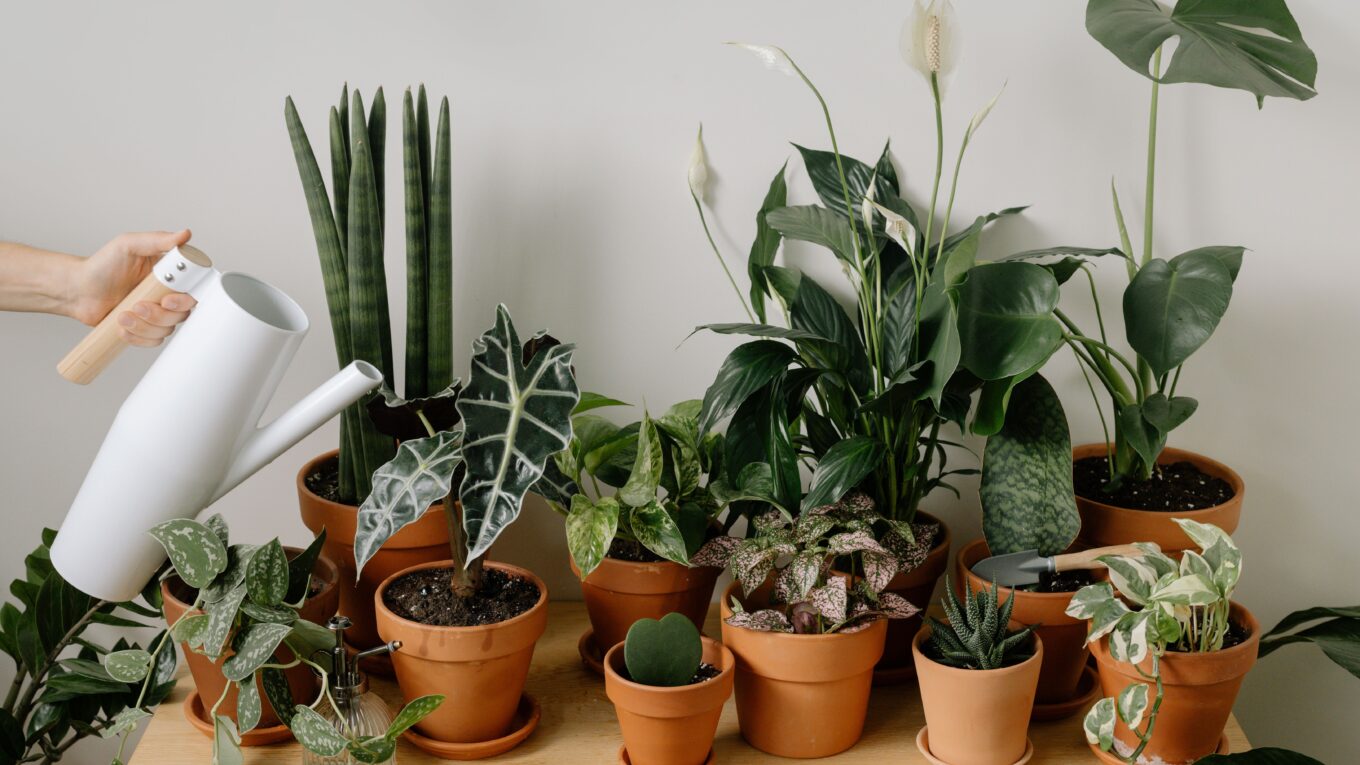
How to Care for Plants Indoors
How to Care for Plants Indoors How to Care for Plants Indoors How to Care for Plants Indoors
A Complete Guide to Keeping Them Healthy
Have you ever bought a beautiful plant and, within a few weeks, watched the leaves turn yellow and drop without understanding what happened? If this has happened to you, know that you’re not alone. Most indoor plants die not from lack of care, but from too much of it — especially when it comes to water.
Caring for plants indoors isn’t complicated, but it requires understanding that they have specific needs, different from garden plants. According to Oklahoma State University Extension, growing plants indoors is different from growing them outdoors, partly because the gardener has more control over factors like temperature, light, humidity, and nutrients . This control is an advantage — as long as you know how to use it.
This guide will show you the four pillars of indoor plant care, a practical step-by-step process, and how to adjust your routine throughout the seasons.
How to Care for Plants Indoors How to Care for Plants Indoors How to Care for Plants Indoors
Why Indoor Plants Die (and How to Prevent It)
The main cause of indoor plant death is improper watering — more specifically, overwatering . When the soil stays constantly soggy, roots can’t absorb oxygen and rot.
The second most common mistake is inadequate light. Many people place shade plants in direct sunlight, or plants that need plenty of light in dark corners. The plant’s own appearance can serve as a guide: according to gardener Felipe Castro, very light green leaves indicate too much light, while very dark green leaves indicate insufficient lighting .
How to Care for Plants Indoors How to Care for Plants Indoors How to Care for Plants Indoors
The Four Pillars of Indoor Plant Care
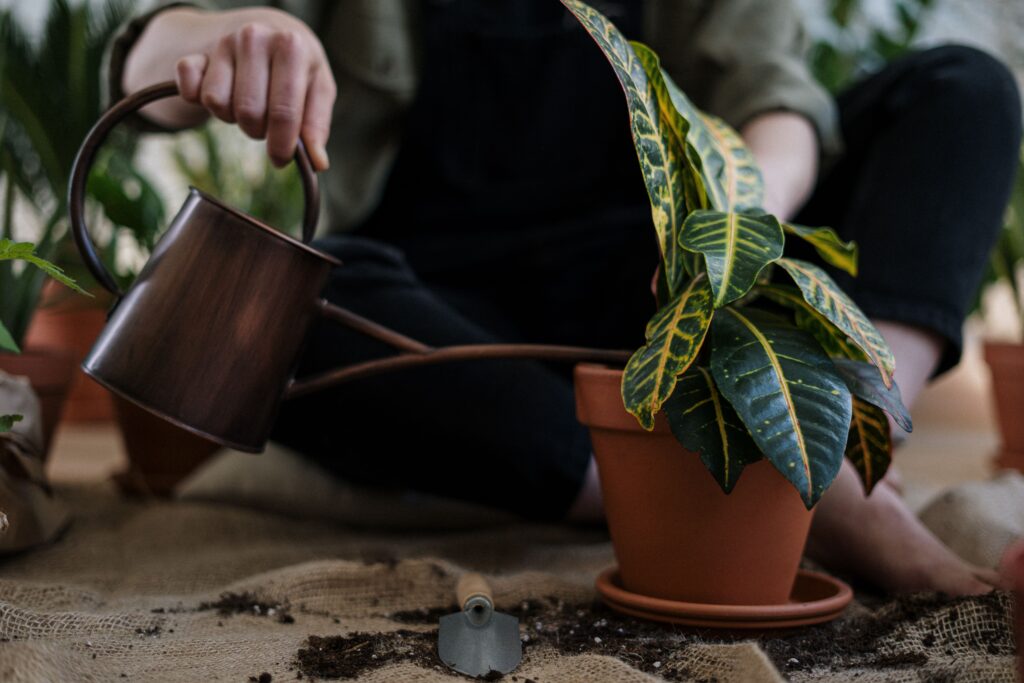
According to UC Agriculture and Natural Resources, all indoor plants have four basic needs: sunlight, water, airflow, and supplemental nutrients (fertilizer) . Understanding each of these pillars is the first step to keeping your plants healthy.
Light: The Most Misunderstood Need
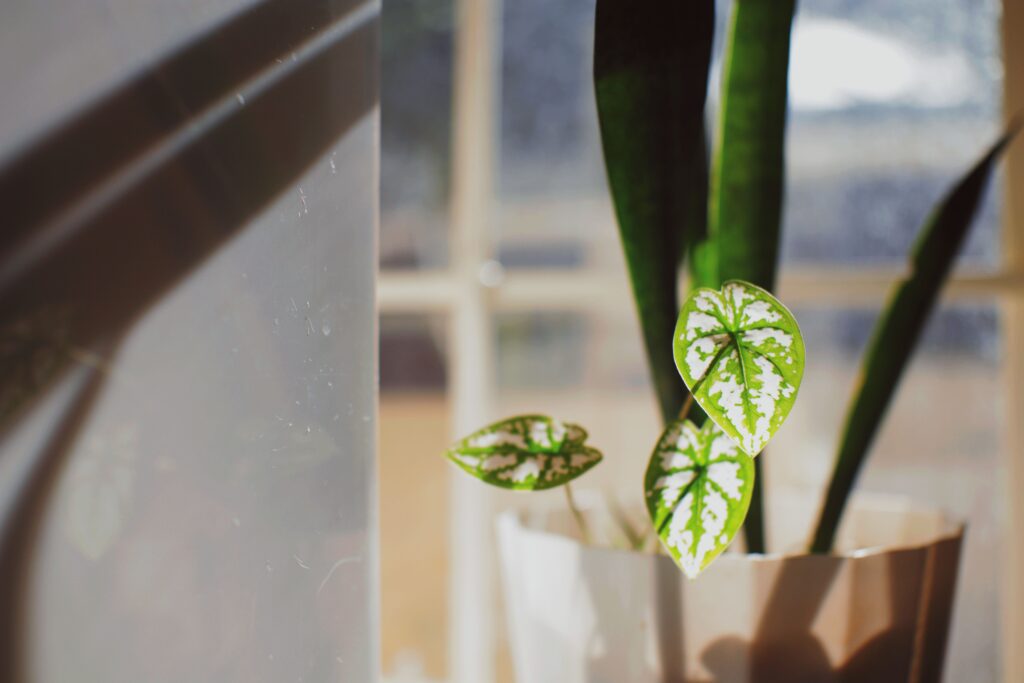
Light is probably the most essential factor for indoor plant growth, and also one of the most problematic . Most indoor plants need bright indirect light. This means placing them near windows, but without direct sun on the leaves, especially during the hottest hours of the day .
East- or south-facing windows are typically the best choices for indoor plants . If you don’t have good natural light at home, grow lights (full-spectrum bulbs) can be the solution .
Signs of light problems:
- Too little light: long, thin stems, small leaves, growth stretching toward the window.
- Too much light: burned leaves with brown spots or dry edges .
How to Care for Plants Indoors How to Care for Plants Indoors How to Care for Plants Indoors
Water: The Most Common Mistake
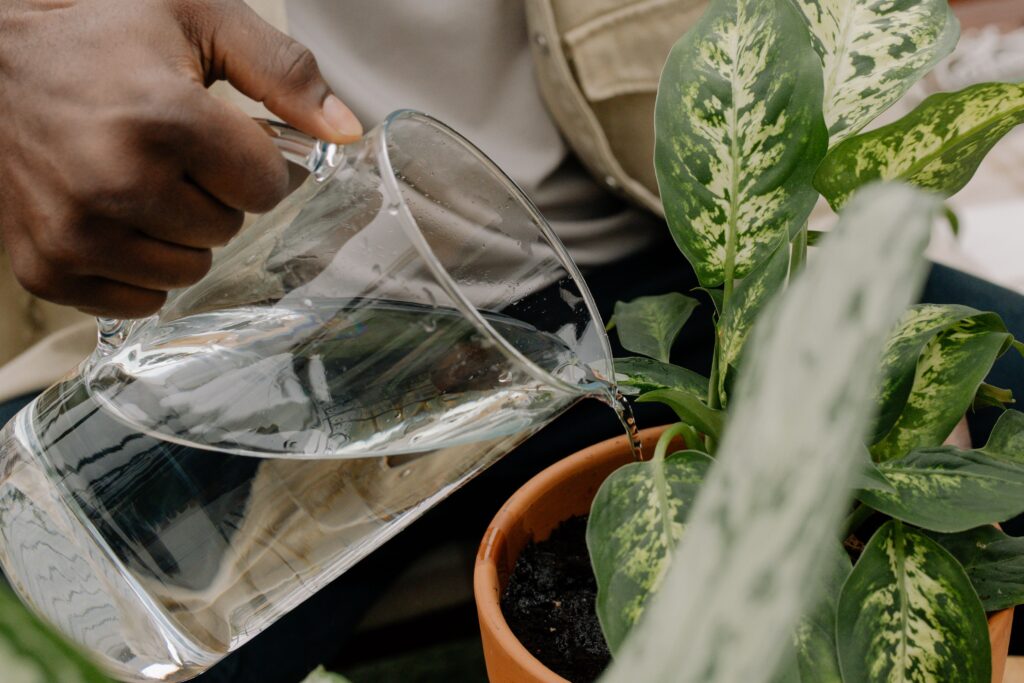
The golden rule for watering indoor plants is: water thoroughly and then let the soil nearly dry out before watering again . The finger test is the simplest and most effective tool: stick your finger into the substrate about 1 to 2 inches. If it’s dry, it’s time to water. If it’s still moist, wait .
The type of pot, plant size, air humidity, season, and substrate all directly influence watering frequency. Terracotta pots dry out faster than plastic ones. Plants in air-conditioned or heated environments may need more water .
Important tip: water until water drains through the drainage holes. This ensures the entire root system receives water. But never leave the pot sitting in standing water — empty the saucer after a few minutes .
How to Care for Plants Indoors How to Care for Plants Indoors How to Care for Plants Indoors
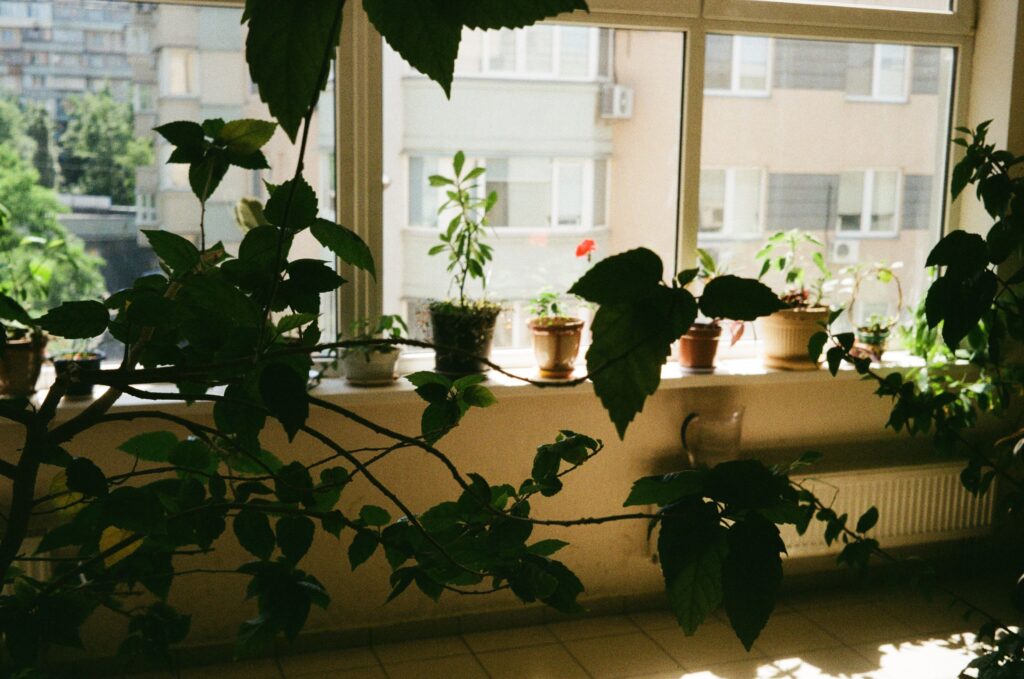
Air: Ventilation and Humidity
Air circulation is often overlooked but is important for the plant’s overall health and pest prevention . Plants need carbon dioxide for photosynthesis and oxygen for respiration.
Avoid placing plants directly in front of air conditioning vents or heaters, as this dries out the leaves . On the other hand, grouping several plants close together creates a more humid and stable microclimate, which benefits most species .
The ideal humidity for indoor plants is between 50% and 60%, while humans prefer around 20% to 30% . To increase humidity around plants, you can:
- Place pots on a tray with pebbles and water (making sure the bottom of the pot doesn’t touch the water) .
- Group plants together.
- Use a humidifier nearby .
How to Care for Plants Indoors How to Care for Plants Indoors How to Care for Plants Indoors
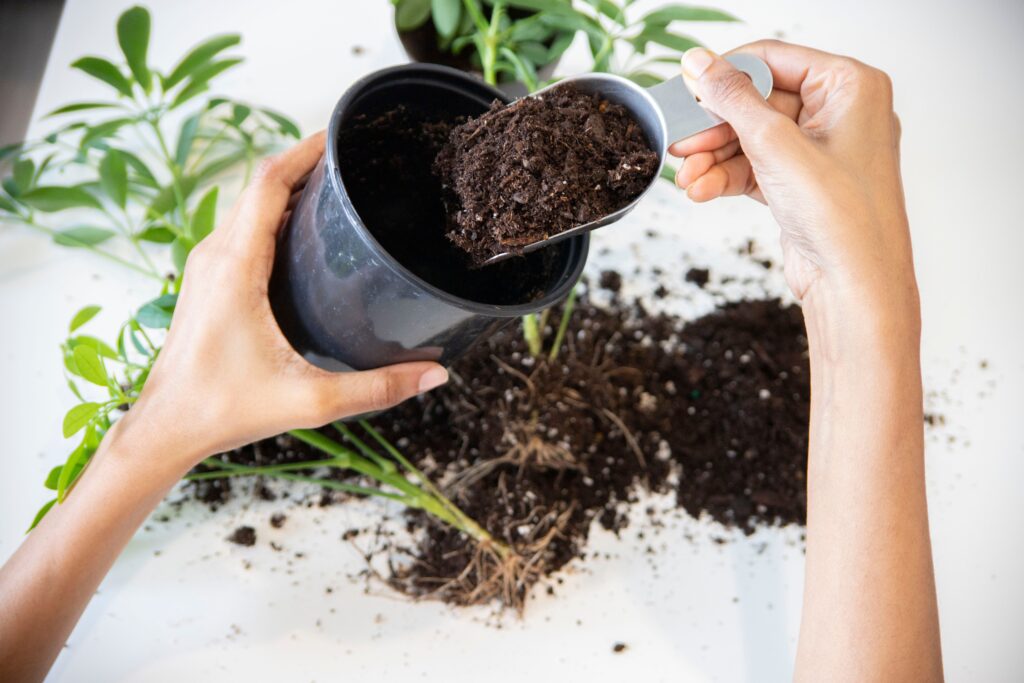
Nutrients: Fertilizing in the Right Amount
Potted plants deplete the substrate’s nutrients over time, which is why they need periodic fertilizing . However, over-fertilizing is worse than under-fertilizing.
The general recommendation is to use a balanced fertilizer, diluted to half the concentration recommended on the package, every 2 to 4 weeks during spring and summer, when plants are actively growing . In fall and winter, most plants go dormant and don’t need fertilizer .
Attention: never fertilize a sick, weak, or wilted plant, as this can cause more stress and may kill it .
How to Care for Plants Indoors How to Care for Plants Indoors How to Care for Plants Indoors
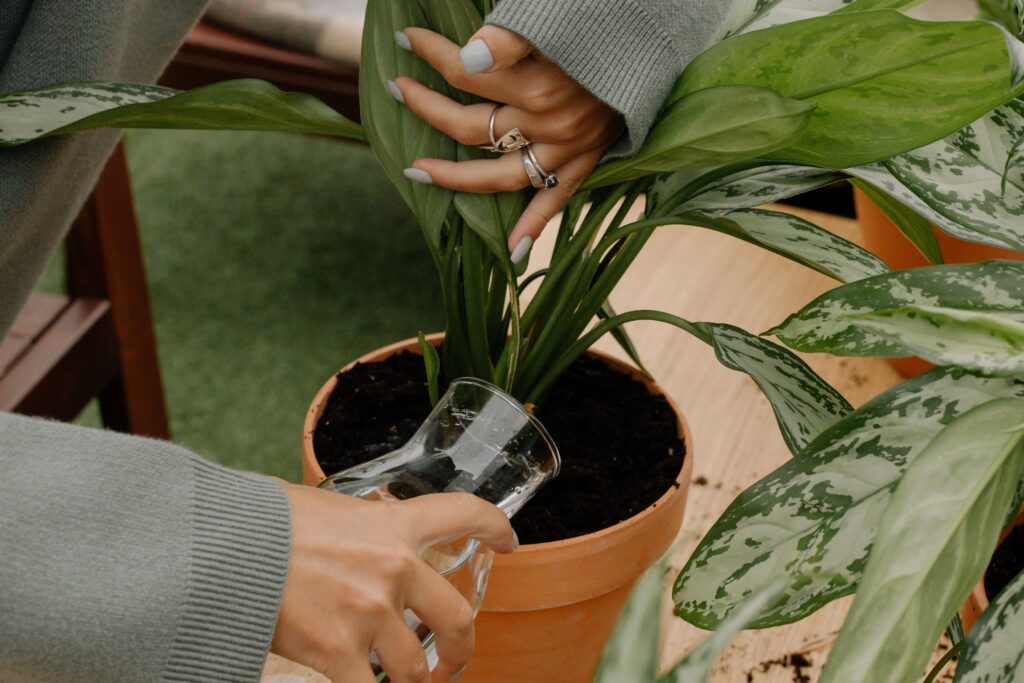
Step-by-Step Guide to Caring for Indoor Plants
Step 1: Choose the Right Species for Your Environment
Before thinking about watering cans, fertilizer, or watering frequency, the first step is to choose a plant that matches your available environment. Not all species adapt to the same conditions of light, ventilation, and space .
Easy species for beginners:
- ZZ Plant: tolerates low-light environments and needs spaced-out watering .
- Pothos: adapts to partial shade and can be grown in hanging pots .
- Snake Plant: withstands temperature variations and spaced-out watering .
- Peace Lily: enjoys low-light or indirect-light environments .
- Succulents and Cacti: require little water and prefer abundant light .
How to Care for Plants Indoors How to Care for Plants Indoors How to Care for Plants Indoors
Step 2: Learn to Water Correctly
Watering is the care that generates the most questions. The answer is: it depends. There’s no fixed rule for how many times a week to water. The ideal is to observe the plant and the substrate .
How to water:
- Check soil moisture with your finger or a wooden stick.
- If dry, water thoroughly until water drains through the holes.
- Empty the saucer after a few minutes.
- Wait for the soil to dry again before the next watering .
Best time: water in the early morning or late afternoon, avoiding the hottest hours when water evaporates quickly and wet leaves can burn in the sun .
How to Care for Plants Indoors How to Care for Plants Indoors How to Care for Plants Indoors
Step 3: Clean Leaves Regularly
Plants grown indoors accumulate dust, kitchen grease, and other particles that form a barrier, hindering photosynthesis . Cleaning leaves regularly helps the plant breathe better and absorb more light .
How to clean:
- For smooth leaves: use a soft, damp cloth.
- For hairy leaves: use a soft brush .
- For smaller plants or ferns: give them a quick rinse in the sink or shower with lukewarm water .
How to Care for Plants Indoors How to Care for Plants Indoors How to Care for Plants Indoors
Step 4: Fertilize at the Right Time
Fertilizing should be done mainly in spring and summer, when plants are actively growing. In fall and winter, most plants rest and don’t need extra nutrients .
Use a fertilizer specifically for indoor plants, always following the package instructions. The rule is: less is more. It’s better to fertilize less frequently and at lower concentration than to overdo it .
How to Care for Plants Indoors How to Care for Plants Indoors How to Care for Plants Indoors
Step 5: Know When to Repot
Over time, roots grow and the substrate depletes. Signs that a plant needs a larger pot include :
- Roots coming out of drainage holes.
- Deformed pot.
- Plant looking “cramped.”
- Soil that dries very quickly.
When repotting, choose a pot about 1 to 2 inches larger than the previous one and renew part of the substrate. Spring is the best time to do this .
How to Care for Plants Indoors How to Care for Plants Indoors How to Care for Plants Indoors
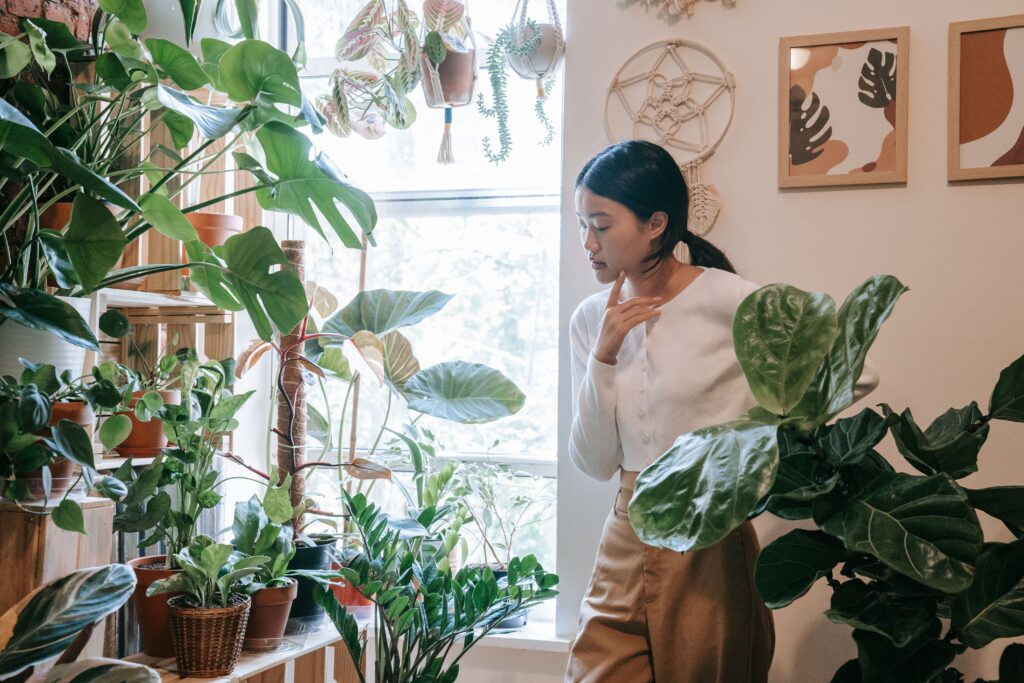
Seasonal Care: How to Adjust Your Routine Throughout the Year
Spring and Summer: Growth and More Water
During spring and summer, temperatures rise, daylight is longer, and plants enter a period of more intense growth. During this time:
- The substrate dries faster, so watering may need to be more frequent .
- It’s the ideal time to fertilize .
- If you move plants to brighter locations, do the transition gradually to avoid leaf burn .
How to Care for Plants Indoors How to Care for Plants Indoors How to Care for Plants Indoors
Fall and Winter: Rest and Less Water
In fall and winter, many plants go dormant or reduce their growth. This means:
- They consume less water, so watering should be spaced out. Overwatering is especially dangerous at this time, as soil takes longer to dry .
- Fertilizing should be stopped or drastically reduced .
- Light decreases, so you may need to move plants closer to brighter windows .
- Avoid placing plants near heaters or drafty windows .
How to Care for Plants Indoors How to Care for Plants Indoors How to Care for Plants Indoors

Common Mistakes When Caring for Indoor Plants
- Overwatering: it’s the number one cause of indoor plant death. Always check soil moisture before watering .
- Ignoring light: each plant has specific light needs. Observe the signs the leaves give .
- Not cleaning leaves: dust blocks light and hinders photosynthesis .
- Over-fertilizing: excess fertilizer can burn roots and kill the plant .
- Constantly moving plants: sudden changes in light and temperature cause stress. Choose a suitable spot and keep the plant there .
- Using pots without drainage: water accumulation at the bottom of the pot rots roots. Always prefer pots with holes .
How to Care for Plants Indoors How to Care for Plants Indoors How to Care for Plants Indoors

Conclusion
Caring for plants indoors is simpler than it seems when you understand the basic needs of each species. The four pillars — light, water, air, and nutrients — are the foundation of everything. The most important rule is: observe your plant. The leaves “talk” to those who care for them, revealing signs that something needs to be adjusted .
Start with resistant species like ZZ plant and pothos, learn to water correctly with the finger test, and adjust your routine according to the seasons. With a little attention and patience, your green corner will thrive and bring more life and well-being to your home.
How to Care for Plants Indoors How to Care for Plants Indoors How to Care for Plants Indoors

Frequently Asked Questions
What is the ideal watering frequency for indoor plants?
There’s no fixed rule. Frequency depends on the species, pot type, season, and ambient humidity. The most reliable method is the finger test: stick your finger into the substrate and water only when it’s dry .
What is the best light for plants indoors?
Most indoor plants prefer bright indirect light. Place them near east- or south-facing windows, but without direct sun on the leaves, especially during the hottest hours .
How to clean plant leaves?
Use a damp cloth for smooth leaves, a soft brush for hairy leaves, or give smaller plants a quick rinse in the sink. Cleaning removes dust that blocks light and helps the plant breathe better .
When should I fertilize my plants?
Fertilizing should be done mainly in spring and summer, when plants are actively growing. Use a balanced fertilizer, diluted to half the recommended concentration, every 2 to 4 weeks. In fall and winter, stop fertilizing .
How do I know if I need to repot my plant?
Signs include roots coming out of drainage holes, a deformed pot, a plant looking “cramped,” and soil that dries very quickly. Spring is the best time for repotting .
Why are my plant’s leaves turning yellow?
Yellow leaves generally indicate overwatering or poor drainage. Wilted and dropping leaves can be a symptom of underwatering or inadequate light exposure .