
How to stop procrastinating
How to stop procrastinating How to stop procrastinating How to stop procrastinating
A practical psychology-based guide
Have you ever spent hours “busy” with secondary tasks while that truly important activity remained untouched, waiting for you? Have you felt growing anxiety as the deadline approached, but still couldn’t bring yourself to take the first step?
This feeling is much more common than you might think. Studies indicate that between 80% and 95% of university students procrastinate at least occasionally, and about 50% do so consistently . In the US, it’s estimated that around 20% of adults are chronic procrastinators . But the good news is that procrastination is not a character flaw or a life sentence. It is a behavior that can be understood and, with the right strategies, overcome.
Procrastination is, above all, an emotion regulation problem . It is not about laziness or poor time management . When we delay a task, we are essentially trying to avoid the unpleasant emotions it triggers: anxiety, fear of failure, frustration, boredom, or feeling incapable .
The immediate relief we feel from avoiding the task acts as a short-term reward, reinforcing the cycle of procrastination . The good news is that by understanding the root of the problem, you can begin to apply practical, evidence-based strategies to regain control and stop procrastinating.
“I spent years calling myself lazy for not being able to start important tasks, until I understood that procrastination was actually a way of escaping the anxiety that the task caused me. When I started looking at what I was feeling instead of just blaming myself, everything changed.”
How to stop procrastinating How to stop procrastinating How to stop procrastinating How to stop procrastinating

What is procrastination and why do we do it?
Procrastination is not laziness
Procrastination is the voluntary and unnecessary postponement of a task, despite knowing that this delay will likely lead to negative consequences . The key to understanding procrastination is recognizing that it is fundamentally an emotional response . When a task makes us feel anxious, bored, or insecure, our brain seeks an “escape route” to feel better immediately . The problem is that this temporary relief comes at a high long-term cost, generating guilt, stress, and more anxiety .
The main causes of procrastination
Procrastination can be triggered by various factors :
- Fear of failure: Delaying a task to avoid the risk of not meeting expectations or failing.
- Perfectionism: The belief that everything must be done perfectly, which can paralyze a person before they even start.
- Lack of motivation: A lack of interest or enthusiasm for the task makes it easier to find something more enjoyable to do.
- Anxiety: Excessive worry and a feeling of being overwhelmed can lead to postponement as a way to escape stress.
- Lack of clarity: Not knowing exactly what to do or where to start makes it difficult to begin.
- Large, intimidating tasks: Long, complex projects without a clear breakdown are often postponed because they seem insurmountable.
- Distant rewards: If the benefit of completing the task seems far away, the brain tends to prefer immediate gratification, like scrolling through social media.
How to stop procrastinating How to stop procrastinating How to stop procrastinating How to stop procrastinating

1. Recognize the cycle and the emotion behind it
Turn awareness into action
The first step to stopping procrastination is to become aware of the cycle. You feel emotional discomfort thinking about a task -> you seek a distraction to relieve the feeling -> you feel guilt for not having done the task -> and to relieve the guilt, you procrastinate even more .
Start paying attention to which tasks you procrastinate on and what emotions are associated with them. Anxiety, fear of making mistakes, boredom, or feeling incapable are common triggers . When you recognize what you are feeling, it becomes easier to face the task rather than avoid it.
Self-compassion over self-criticism
Often, how we deal with our mistakes and delays only worsens the situation. Studies indicate that students who adopt a more understanding and compassionate attitude towards themselves tend to procrastinate less . In contrast, severe self-criticism is associated with an increase in future procrastination . When you catch yourself procrastinating, instead of punishing yourself, ask: “What would I say to a friend who was going through this?” and offer yourself that same compassion.
How to stop procrastinating How to stop procrastinating H cow to stop procrastinating How to stop procrastinating

2. Break the task down into small, concrete steps
The power of micro-steps
One of the most effective strategies for overcoming procrastination is to break large, intimidating tasks into micro-tasks . The simple act of starting is the hardest part. When you reduce the task to something tiny, your brain stops seeing it as a threat.
Instead of thinking “I need to write a 20-page report,” break it down into steps like:
- Open the document and write the title.
- Create an outline with the three main points.
- Write the introduction (just 3 sentences).
This principle is fundamental to overcoming the mental overload that leads to procrastination .
Focus on the first step
The anxiety a task causes us often comes from the fact that it seems like a giant monster . Focusing only on the “first step” to start a task can be a simple way to get started more easily . Once you start, progress generates more progress.
How to stop procrastinating How to stop procrastinating How to stop procrastinating How to stop procrastinating

3. Apply proven productivity techniques
The 2-Minute Rule
If a task takes less than two minutes to complete, do it immediately. Don’t put it on a list, don’t postpone it. This simple rule, popularized by productivity experts, helps eliminate small tasks that accumulate and create unnecessary mental clutter.
The Pomodoro Technique
The Pomodoro Technique is a time management tool that helps deal with procrastination . It consists of working in 25-minute periods of total focus, followed by a 5-minute break. After four cycles, take a longer break of 15 to 30 minutes . The technique works because it creates a sense of urgency and turns long, tiring tasks into manageable “sprints.” Knowing you only need to focus for 25 minutes makes it much easier to start .
“If X, then Y” planning
“If x, then y” planning is one of the most effective ways to avoid distractions . The idea is to create a rule for your behavior:
- “When I sit at my desk, I will open the project document.”
- “If I feel the urge to pick up my phone, then I will do 5 more minutes of focused work.”
This technique “trains” the brain to follow a pre-defined plan, rather than making a decision at the moment when you are most vulnerable to procrastination.
The Eisenhower Matrix: find the right priority
Often, we procrastinate because we don’t know where to start . The Eisenhower Matrix helps organize tasks by urgency and importance, helping you decide which ones deserve your immediate attention:
- Urgent and important: Do now. These are time-sensitive tasks that require immediate action.
- Important but not urgent: Schedule to do later. These are the tasks that truly drive your long-term goals.
- Urgent but not important: Delegate if possible. These are distractions that consume your time.
- Neither urgent nor important: Eliminate.
Many people procrastinate precisely on the “Important but not urgent” quadrant , which are the tasks that generate the most impact but don’t have an immediate deadline.
“Eat the Frog”
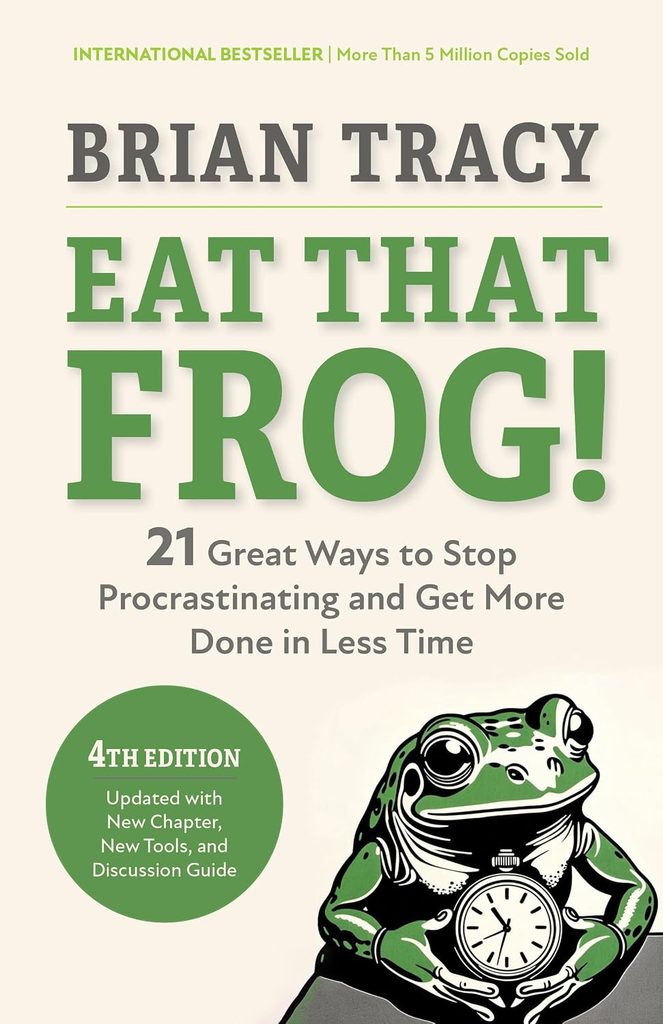
This technique, attributed to Mark Twain and popularized by Brian Tracy, suggests that you identify your most challenging and important task of the day (“the frog”) and do it first thing in the morning . By doing so, you eliminate the task you would most likely procrastinate on. This not only gives you a great sense of accomplishment but also makes the rest of the day much lighter .
How to stop procrastinating How to stop procrastinating How to stop procrastinating How to stop procrastinating

4. Create an environment that promotes focus
Eliminate distractions
Your environment directly influences your ability to focus. Silence phone notifications , close unnecessary browser tabs, and organize your workspace. Each notification interrupts the brain, and it can take up to 40 minutes to regain full concentration. Small changes, like leaving your phone in another room, can make a huge difference.
Build the focus habit
Procrastination is linked to a lack of good habits and systems . Create a consistent pattern: “After I have my coffee, I will dedicate an hour to my most important work.” Linking the task to an established habit makes it easier to start. Additionally, having a system for starting new tasks (like following an initial routine) makes the process more automatic.
How to stop procrastinating How to stop procrastinating How to stop procrastinating How to stop procrastinating

5. Use technology to your advantage (with caution!)
Gamification and productivity apps
Productivity apps can be powerful allies in the fight against procrastination, using gamification to create new routines and rewards . Focus Friend, for example, creates an emotional connection with a character that “knits” while you focus . Other apps, like Forest, also use gamification to maintain focus.
However, it’s important to remember that these apps can become part of the vicious cycle if not used with balance, transforming the app itself into a new distraction .
“I confess I’ve downloaded several productivity apps hoping to fix my procrastination — and many ended up becoming just another distraction. What really worked for me was creating small rituals, like lighting a candle and turning off my phone before starting a difficult task.”
How to stop procrastinating How to stop procrastinating How to stop procrastinating How to stop procrastinating

6. When procrastination can be a warning sign
In some cases, chronic procrastination can be a symptom of deeper conditions, such as Attention-Deficit/Hyperactivity Disorder (ADHD), depression, or anxiety disorders . If you notice that procrastination is significantly affecting your quality of life, your self-esteem, or your mental health, and the usual strategies aren’t working, consider seeking professional help. A diagnosis should be made by a healthcare professional, and early intervention can be transformative .
How to stop procrastinating How to stop procrastinating How to stop procrastinating How to stop procrastinating
Frequently Asked Questions
What is procrastination?
Procrastination is the voluntary postponement of important tasks, even when one knows it will lead to negative consequences. It is not laziness, but rather a way of dealing with uncomfortable emotions, such as anxiety, fear, or boredom, that the task provokes .
What are the main causes of procrastination?
The causes can vary, but the main ones include fear of failure, perfectionism, lack of clarity on how to begin, anxiety, lack of motivation, and the task being too large or complex .
How does the Pomodoro Technique help with procrastination?
By breaking work into short 25-minute blocks, the Pomodoro Technique reduces the feeling that the task is enormous. This makes it easier to start, reduces mental resistance, and creates a sense of urgency that helps maintain focus .
What is the difference between active and passive procrastination?
Active procrastination occurs when you postpone an important task to do something else productive, like organizing your workspace instead of writing a report . Passive procrastination is when you replace the task with non-productive activities, like browsing social media, which is more harmful .
How can self-compassion help stop procrastinating?
Studies show that students who are more understanding and compassionate toward themselves tend to procrastinate less . This is because severe self-criticism generates a cycle of guilt and anxiety that reinforces the postponement behavior . Being kind to yourself breaks this cycle.
What is the relationship between procrastination and ADHD?
People with ADHD often have difficulties with organization, time management, and emotional regulation, which can lead to chronic procrastination . However, procrastination alone is not a diagnosis of ADHD; it’s important to seek professional evaluation.
How to stop procrastinating How to stop procrastinating How to stop procrastinating How to stop procrastinating