
How to spend less
How to spend less How to spend less How to spend less 1 How to spend less How to spend less
Without giving up a good life
Have you ever felt that even when trying to save money, you’re giving up things that make life worth living? Have you wondered if it’s possible to have a healthy financial life without living in deprivation?
This is a common question. Many people believe that saving money means giving up everything that brings pleasure and living in survival mode. It’s no wonder that so many people try to save and give up within a few weeks. The truth, however, is different: spending less is not about not living; it’s about learning to live better with the money you have.
For a long time, living well was sold as synonymous with spending more. More clothes, more restaurants, more trips, more experiences. But for most people, this math never added up. Money ran out before pleasure appeared. Gradually, the idea of a good life began to change. Many people realized that living well is not about living on the edge of your budget. It’s about living with less tightness, less guilt, and more awareness. And this doesn’t mean giving up what brings pleasure, but understanding where it truly lies.
In this guide, you’ll discover how to spend less without giving up quality of life — with practical strategies based on smart choices, not deprivation.
“I once tried to save by cutting everything at once: I stopped going out, canceled streaming services, and ate only the basics. It lasted two weeks. When I realized I was depriving myself of things that made me feel good, I changed my approach: I started substituting instead of eliminating, and that’s when saving became a sustainable habit.”
How to spend less How to spend less How to spend less 1 How to spend less How to spend less

The most common mistake when trying to save
The biggest mistake is starting with extremes. Many people try to save by cutting everything at once: leisure, small pleasures, comfort. This works for a short period, but it doesn’t last. When the cut is too radical, frustration increases, the feeling of deprivation grows, and the budget becomes a burden. The result is predictable: abandonment.
The difference between cutting expenses and losing quality of life is fundamental. Losing quality of life is giving up what is important to you. Cutting expenses is eliminating what doesn’t add real value to your life. The goal is not to spend less just for the sake of it, but to spend better. Directing money to what truly matters and reducing silent waste.
The first step: understand where your money goes
Many people have difficulty assessing their financial situation because they don’t track their daily expenses. Small recurring purchases may seem irrelevant individually, but they end up representing significant amounts over the months. Before any decision, it’s essential to record all expenses to identify consumption patterns and clearly see which categories consume the most of your available income.
Recording can be done through finance apps (like Mobills or Minhas Economias), spreadsheets, or even simple regular notes. From this diagnosis, you can create a realistic budget, identifying what is essential and what is just impulse. Setting financial goals also helps transform planning into something concrete and measurable: building a financial reserve, planning a trip, or buying a vehicle.
How to spend less How to spend less How to spend less 1 How to spend less How to spend less


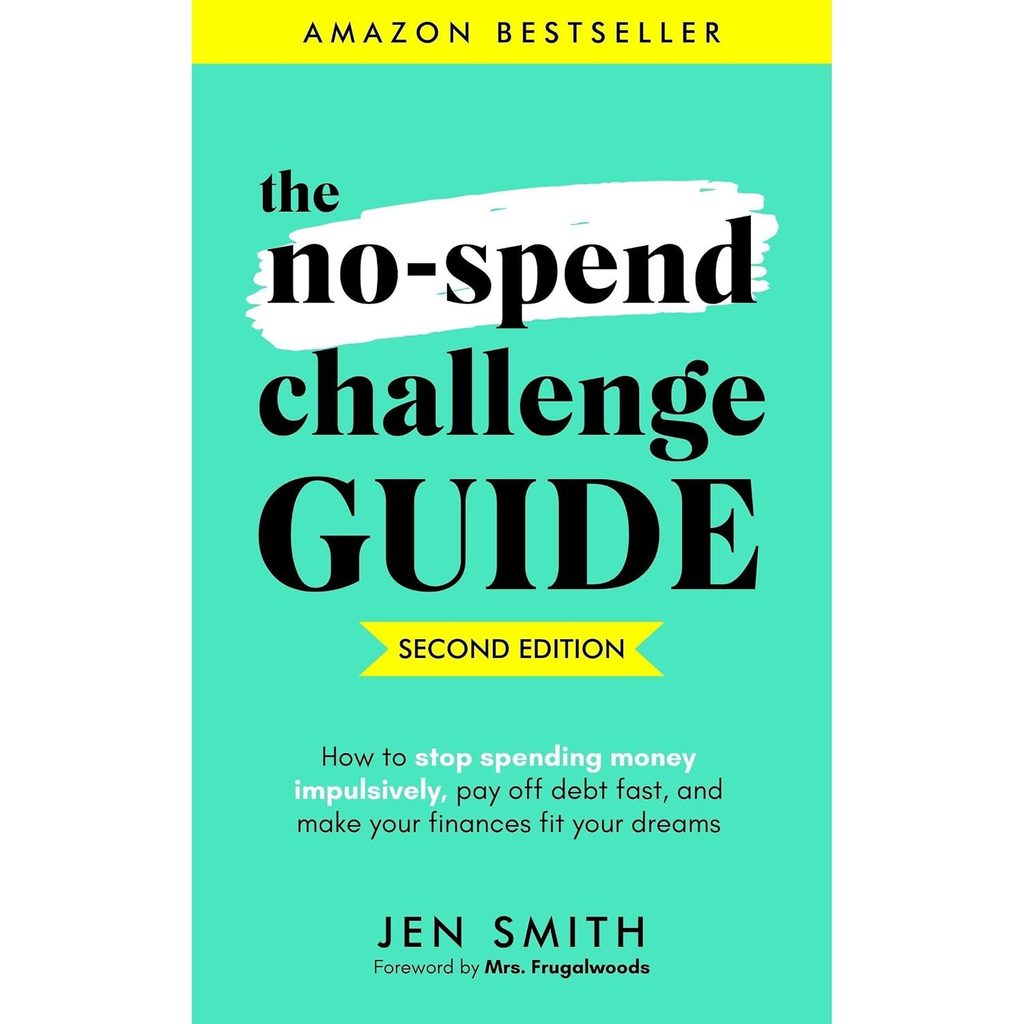
How to spend less: practical strategies
Reduce, don’t eliminate
You don’t need to cut everything. Often, reducing is enough. Decreasing delivery orders, limiting weekly spending outside the home, or setting a cap for leisure maintains pleasure but removes excess. A practical example: spending $3 per day on unplanned purchases represents about $90 per month.
Substitute, don’t forbid
Instead of eliminating habits, replace expensive versions with cheaper alternatives. Eating out → cooking more at home. Expensive brands → generic brands. Paid services → free versions. Substitution preserves quality of life. Planning meals, taking advantage of seasonal foods, and reducing waste are small actions that lighten the budget without taking away the pleasure of eating.
Cut what doesn’t make a difference
Some expenses don’t matter at all — they just become habits. Unused subscriptions, duplicate services, automatic purchases. Cutting this type of expense causes no pain, only relief. Review recurring expenses that, individually, seem small, but together compromise a good portion of your budget: little-used plans, unnoticed subscriptions, multiple streaming services, and small treats that become habit.
Avoid installments for small amounts
Small installments seem harmless, but they compromise the budget for months. Whenever possible, pay in cash, avoid long installments, and question whether the purchase is really necessary. Too many installments steal your future freedom. The ideal logic is to buy in cash whenever possible, whether for products, trips, or gifts. When payment is immediate, the choice becomes more thoughtful and less emotional.
Protect your budget against unexpected events
Small unexpected events are part of life. A flat tire, a broken appliance, or a last-minute medicine. Creating a small financial reserve, even a symbolic one saved gradually, can ease such moments and avoid the need to take out loans. Regularity is often more important than occasional amounts. Even small monthly savings can form relevant reserves when maintained consistently.

Living with purpose: the conscious choice
The minimalist lifestyle goes far beyond having a white house and few pieces of furniture. It’s not about living with almost nothing, but about living with the essentials — what truly has value and meaning for you. By adopting minimalism, you naturally spend less, make decisions more consciously, and live with more purpose. Living simply is not about living without quality, nor is it about constant sacrifice. It’s about living with more lightness, more clarity about what truly matters.
How to apply minimalism in daily life:
- Think before buying: question the real need for each item and value what you already have.
- Review your belongings: donate, sell, or discard what you haven’t used for months. If it has no function or meaning, it doesn’t need to be there.
- Simplify your schedule: say less “yes” out of obligation and more “yes” out of intention. Having free time is also a form of wealth.
- Reevaluate your spending: track your expenses and cut the superfluous. Prioritize experiences and long-term goals over impulsive purchases.

How to decide what to cut
Before any expense, ask yourself a simple question: “Does this truly improve my life or is it just momentary relief?”. This simple question prevents dozens of impulse purchases and helps keep focus on what truly matters. The challenge is not spending, but spending without noticing. Reviewing excesses allows you to keep what matters with more peace of mind.
“Today, before any impulse purchase, I ask myself: ‘Does this truly improve my life or is it just momentary relief?’. This simple question has already saved me a good amount over the months — and, as a bonus, it helped me understand what truly brings me happiness.”
The quiet pleasure of spending less
There is a type of pleasure that almost never appears in conversations, but weighs heavily on quality of life: financial peace of mind. Knowing that money will last until the end of the month, that an unexpected expense won’t become a crisis, that you can say no without guilt. Saving is not just about numbers. It’s about reducing anxiety, gaining autonomy, and making choices with more calm.
A good life with little money is not renunciation. It’s adjustment. It’s understanding that living well costs less when pleasure is aligned with reality, not with expectations that were never ours.

Frequently asked questions about spending less
What is the first step to spending less without losing quality of life?
Start by tracking all your expenses for a month. You need to understand where your money is going before planning cuts. This helps identify consumption patterns and invisible expenses that can be reduced without impacting quality of life.
Is it possible to save without feeling deprived?
Yes. The secret is substituting, not eliminating. Instead of completely cutting something that brings you pleasure, look for cheaper versions: cooking at home instead of eating out, generic brands instead of expensive brands. Substitution preserves quality of life and reduces expenses.
How to cut expenses without suffering?
Cut what doesn’t make a difference first. Unused subscriptions, duplicate services, automatic purchases — this type of expense causes no pain, only relief. Then, reduce the frequency of expensive habits instead of eliminating them completely.
Can minimalism help with saving?
Yes. Adopting a minimalist lifestyle means living with the essentials — what truly has value for you. This naturally reduces impulsive consumption and focuses money on experiences and long-term goals.
How to deal with financial unexpected events?
Create a small emergency fund, even if it’s a symbolic amount saved gradually. This prevents small unexpected events from disrupting the entire month’s budget and avoids the need to resort to loans.
Is it worth paying in installments?
Avoid installments for small amounts. Small installments seem harmless, but they compromise the budget for months. Prefer paying in cash whenever possible — this makes the choice more thoughtful and avoids accumulating simultaneous installments.