
How to save money at the supermarket
How to save money at the supermarket1
A complete guide to spending less and buying better
Have you ever passed through the supermarket checkout and felt a pang in your heart when you saw the final amount? Have you wondered how it’s possible to spend so much buying only “the basics”?
This feeling is more common than you think. Supermarket expenses can account for up to 25% of the budget of Brazilian families earning up to five minimum wages . A recent study showed that the average monthly supermarket spending in Brazil reached R$ 1,073.98 — an amount that represents almost half of the estimated income of most families surveyed .
The good news is that with some habit changes and smart strategies, it’s possible to significantly reduce this amount without sacrificing product quality. Experts say consumers have changed the way they shop, researching more and making more informed decisions even before leaving home . The difference between overspending and keeping accounts balanced lies in seemingly small actions that, when they become routine, have a huge impact on your wallet .
In this complete guide, you’ll learn the best strategies for saving at the supermarket — from planning before you leave home to smart choices inside the stores.
“I used to get to the supermarket checkout and be shocked by the final amount, even though I had only bought ‘the basics’. When I started making a weekly list and setting a spending cap before leaving home, I realized that much of what I was buying was impulse purchases — and my bill was cut almost in half.”
How to save money at the supermarket How to save money at the supermarket How to save money at the supermarket

Planning: the secret starts before you leave home
Saving at the supermarket starts long before you grab a cart. Planning is the foundation for avoiding unnecessary expenses and impulse purchases .
Plan a weekly menu
One of the best tips for saving at the supermarket is to know exactly what you’ll eat during the week. Planning a weekly menu helps you buy only the necessary ingredients, in the right quantities . This not only optimizes your shopping list but also drastically reduces food waste. Think about the main meals — breakfast, lunch, and dinner — and list the items for each. With this practice, your list becomes leaner and more focused.
Make a smart list and stick to it
Going to the supermarket without a plan is one of the biggest risks to your budget . The list helps you stay focused on what you really need to buy and avoids impulse purchases .
Practical tip: organize the list by categories — produce, dairy, cleaning, personal care — to reduce time inside the store and avoid passing through aisles where impulse purchases happen . Before writing down any new item, check what you already have at home. This prevents buying duplicate products or letting food expire .
Set a budget before you leave
Setting a spending limit per trip to the supermarket is as important as making a list. Without this limit, even those who go with a list end up exceeding the planned amount.
Choose the right time for shopping
The day and frequency of your supermarket trips can directly influence the final amount. Experts recommend avoiding shopping at the beginning of the month when stores are busier and prices tend to be less competitive . Shopping between the middle and end of the month may guarantee better deals . Also, concentrating the main purchases on a single day of the week — or even of the month — helps control the budget and monitor what is actually being consumed .
How to save money at the supermarket How to save money at the supermarket How to save money at the supermarket

Price comparison: the skill that saves the most
The main tip for saving at the supermarket is to compare prices . And not only between different supermarkets, but also within the same chain .
Compare the price per kilo or liter
One of the main traps at the supermarket is in the packaging. A smaller package may seem cheaper, but when you calculate the value per kilo (or liter), you often discover you’re paying more .
Research different stores
A study showed that most Brazilians divide their purchases among up to four different store chains in search of better prices . 74% frequent traditional supermarkets, 63% use wholesale stores, and 36% visit street markets and local shops monthly — especially for fresh produce .
Use price comparison apps
Take advantage of price comparison apps, digital flyers, and promotional leaflets to plan where to buy each item .
How to save money at the supermarket How to save money at the supermarket How to save money at the supermarket
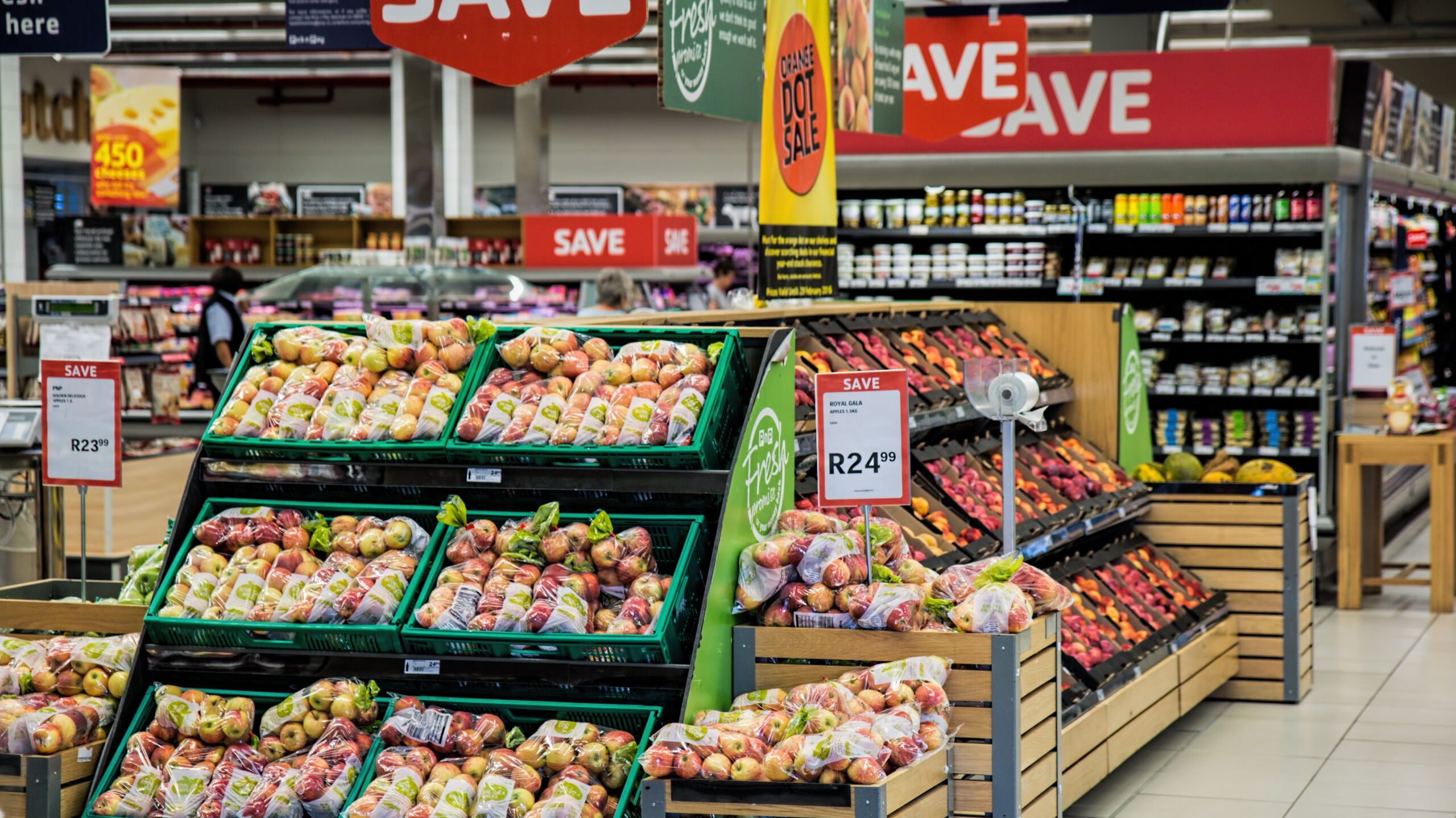
Strategies inside the supermarket
With a list in hand and a set budget, it’s time to apply strategies during the shopping trip.
Never go hungry
It may seem like an exaggeration, but shopping while hungry really does make a difference in the final amount. When we’re hungry, ready-made foods, sweets, snacks, and impulse items become much more attractive . Eating before going to the supermarket helps you make more conscious decisions.
Look beyond eye level
The most expensive products and the most famous brands are strategically placed at eye level. Get into the habit of looking at the higher and lower shelves — that’s where the more economical options tend to be .
Prefer store brands and regional products
Store brands generally offer quality similar to market leaders, but at significantly lower prices . This savings can represent between 10% and 25% of the monthly shopping bill . Regional products are also often cheaper and of good quality .
Take advantage of promotions wisely
A promotion isn’t always a bargain. Many offers seem advantageous but end up encouraging unnecessary purchases . A promotion is only worthwhile when the product was already on your list. Buying because it’s cheap usually increases spending, not reduces it .
What’s worth buying on sale: non-perishable items like rice, beans, pasta, and cleaning products are usually worth it when on sale. Fresh foods require more attention to avoid waste .
Be careful with products near their expiration date
Products close to their expiration date often go on sale. This is a great opportunity to pay less, as long as you’ll actually consume them in time . Assess whether you’ll be able to consume everything before the expiration date so you don’t end up wasting what you bought .
Avoid processed products
Already prepared or processed foods offer convenience but generally cost much more . Buying a pre-made salad can cost twice as much as the individual ingredients. This also applies to chopped seasonings, cut fruit, and frozen meals. If time allows, preparing at home is always more economical .
Buy in bulk for frequently used items
Buying wholesale is an excellent way to do monthly shopping economically . Non-perishable, frequently used items in larger quantities usually have a lower unit price compared to conventional supermarkets . Cleaning products, toilet paper, canned goods, and grains are great candidates for buying in larger quantities .
“I learned the hard way that going to the supermarket hungry is dangerous. After I started eating before leaving, my impulse purchases dropped drastically — and I began looking at the lower shelves, where the cheaper products are that we often don’t even see.”
How to save money at the supermarket How to save money at the supermarket How to save money at the supermarket

How to avoid waste
Avoiding waste is a fundamental part of keeping purchases economical. This starts at the time of purchase and continues with storage and food preparation .
Buy seasonal foods
Seasonal foods are cheaper, more flavorful, and tend to have better quality . Also, buying in the right amount for your family’s routine prevents food from spoiling before it’s consumed.
Use leftovers
Using leftovers from meals to prepare new dishes, such as pies, soups, or fillings, helps reduce losses . Creating a weekly menu also helps guide purchases and avoid excess.
Consume in the correct order
Pay attention to expiration dates and consume products in the correct order, prioritizing those that expire first .
How to save money at the supermarket How to save money at the supermarket How to save money at the supermarket

Common mistakes when trying to save
- Shopping without a list: the perfect invitation to impulse purchases .
- Believing every promotion is worthwhile: a promotion is only worthwhile if the product is actually part of your routine .
- Buying processed products for convenience: the extra cost usually isn’t worth it .
- Going to the supermarket hungry: hunger increases the tendency to buy unnecessary items .
- Ignoring the price per kilo or liter: seemingly cheaper packaging can be the most expensive proportionally .
- Shopping multiple times a week: each extra visit to the supermarket increases the chances of unplanned spending .

Frequently asked questions about saving at the supermarket
What’s the first thing I should do to save at the supermarket?
Start with planning. Check what you already have at home, plan a weekly menu, and make a detailed list before leaving home .
Is it worth dividing purchases among different supermarkets?
Yes! Research shows that most Brazilians divide their purchases among up to four different stores to save money .
What does comparing the price per kilo or liter mean?
It’s the fairest way to compare products in different packaging. Often, a seemingly cheaper package has a much higher cost per kilo .
Are promotions always worth it?
No. A promotion is only worthwhile when the product was already on your list. Buying because it’s cheap usually increases spending, not reduces it .
What’s the best day to shop at the supermarket?
Experts recommend avoiding the beginning of the month when stores are busier and prices are less competitive. Shopping between the middle and end of the month can guarantee better deals .
Is it worth buying store brands?
Yes. Store brands usually offer quality similar to market-leading brands, but at prices up to 25% lower .