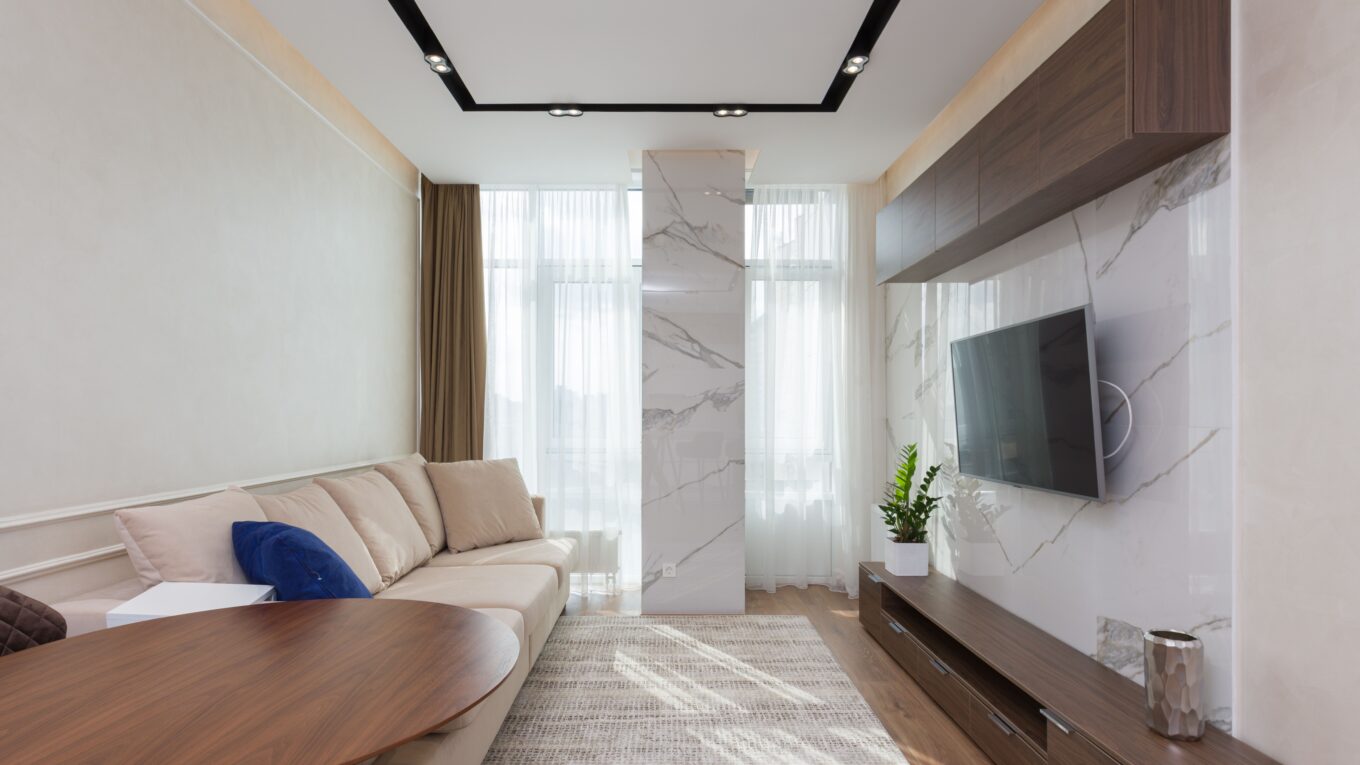
How to Decorate a Small Living Room
How to Decorate a Small Living Room How to 1 Decorate a Small Living Room How to Decorate a Small Living Room
A Complete Guide to Expand and Cozy Up
Decorating a small living room is an exercise in choices. Contrary to what many imagine, the problem is almost never the square footage itself, but how the space is organized. Too much furniture, disconnected colors, blocked circulation, and poorly distributed lighting can make a 160-square-foot room feel like 100. On the other hand, when there is coherence between scale, materials, and light, the environment gains fluidity and works better in daily life.
The good news is that visually expanding a small living room doesn’t require expensive renovations or large investments. Small strategic changes can completely transform the perception of the space. This guide gathers the main guidelines from architects and interior designers to transform your small living room into a functional, cozy, and visually larger environment.
How to Decorate a Small Living Room How to Decorate a Small Living Room How to Decorate a Small Living Room
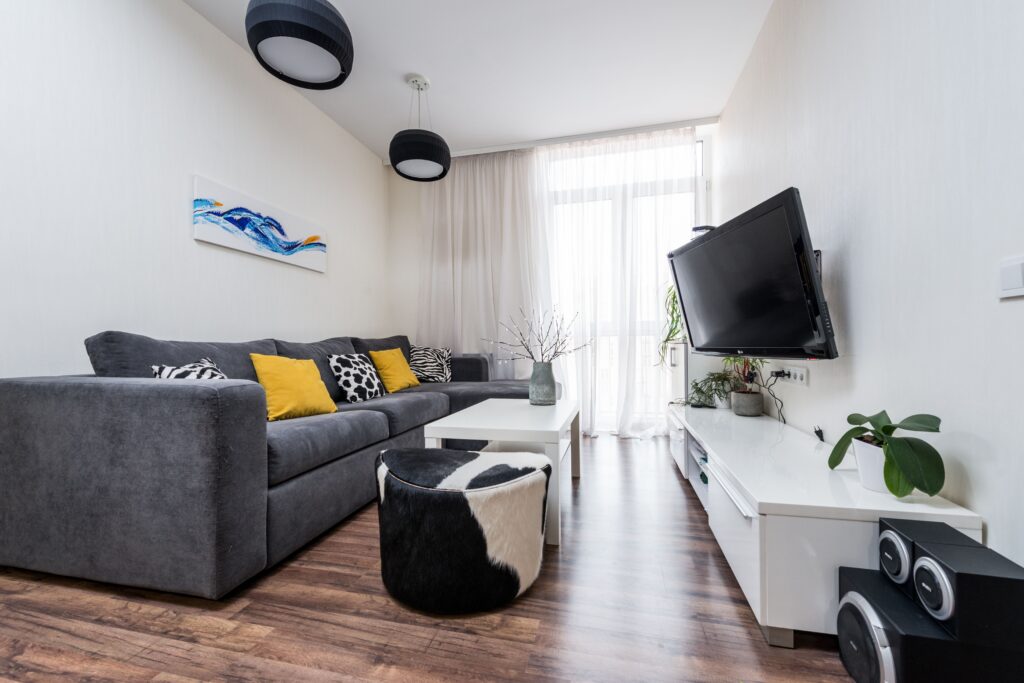
Why Does a Small Living Room Seem Even Smaller Than It Is?
Before moving on to solutions, it’s worth understanding the reasons that make a small living room seem even tighter. The first is too much furniture. Many people try to compensate for the lack of space with small pieces scattered around, but this fragments the environment and creates a sense of disorder.
The second is blocked circulation. When furniture prevents free passage, the brain processes the environment as uncomfortable and cramped, regardless of the actual square footage.
The third is poorly planned lighting. A single central ceiling light flattens the environment, creates harsh shadows, and makes the space seem smaller than it really is.
Finally, the lack of a focal point makes all elements “compete” for attention, creating visual clutter. In a small living room, the eye needs a place to rest.
How to Decorate a Small Living Room How to Decorate a Small Living Room How to Decorate a Small Living Room
Starting Point: Define the Layout and Circulation
Before buying anything or defining colors, it’s essential to think about the layout. Circulation is the foundation of any successful project in compact spaces.
Keep the passage clear
The first step is to ensure that main passages are unobstructed. Experts recommend a corridor of at least 24 inches for comfortable circulation. Avoid furniture that blocks the view of windows or interrupts the natural path between doors.
Avoid pushing all furniture against walls
It may seem counterintuitive, but pushing all furniture against walls isn’t always the best solution. Small gaps create visual “breathing room” and make the layout more dynamic. In some cases, turning the sofa toward a new focal point can completely transform the dynamics of the environment.
Create a clear focal point
Choose one central element — a TV, a piece of art, a window with a view — and organize the rest of the furniture around it. This anchors the environment, guides the eye, and creates a sense of purpose and harmony.
How to Decorate a Small Living Room How to Decorate a Small Living Room How to Decorate a Small Living Room
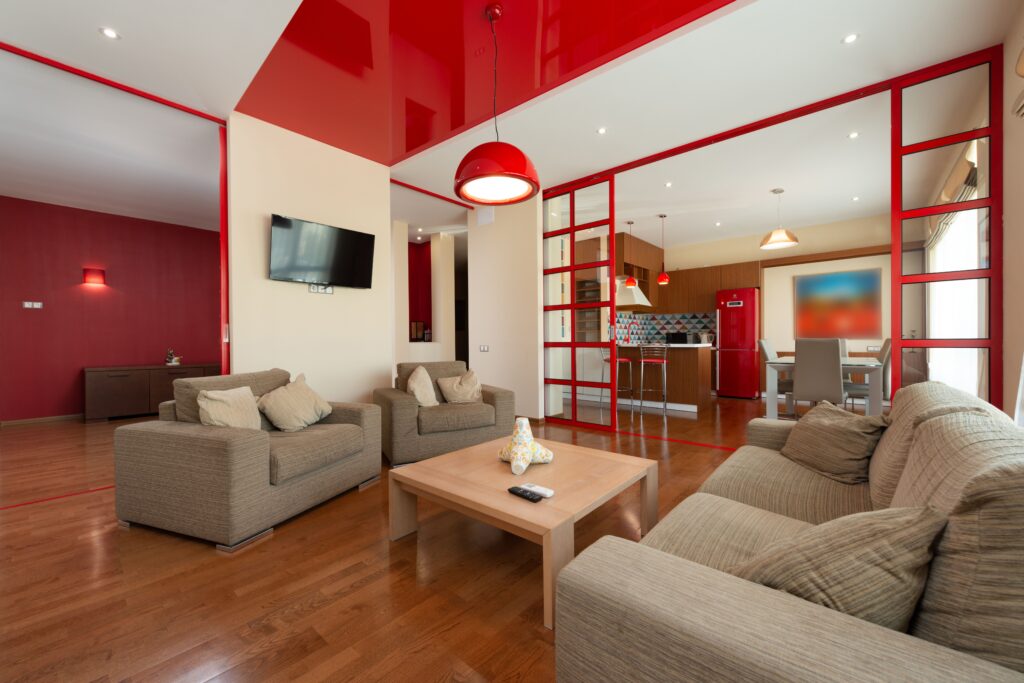
Colors and Finishes: The Foundation of Spaciousness
Light colors as a starting point
Colors have a direct impact on the perception of spaciousness. Light tones reflect natural light better, soften contrasts, and create a lighter environment. Neutral palettes — such as sand, off-white, soft gray, and beige — are excellent starting points.
The science of colors explains it: cool, light tones have wavelengths that the human eye processes as more distant, making walls visually “recede”.
How to use dark colors without closing in the room
Dark colors are not forbidden. In well-planned environments, they can be used on an accent wall or in cabinetry details, creating depth and sophistication. The secret is balance: if one surface is dark, the rest should remain light.
Visual continuity with the same flooring
Keeping the same flooring throughout the living room (and, if possible, integrated with neighboring spaces) eliminates visual interruptions and reinforces the sense of continuity and unity. Large porcelain tiles, such as 36×36 inches, are a good choice because they reduce visible grout lines.
How to Decorate a Small Living Room How to Decorate a Small Living Room How to Decorate a Small Living Room
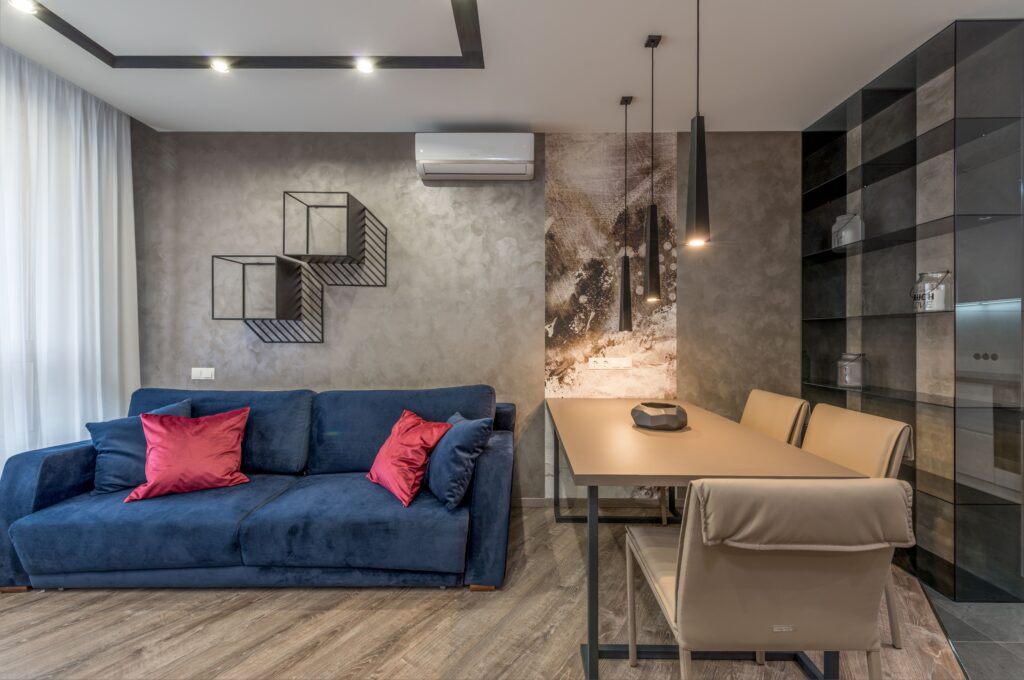
Smart Furniture: How to Choose and Position
Multifunctional and proportional furniture
In a small living room, every piece of furniture needs to “work” harder. Ottomans with internal storage, coffee tables that double as storage chests, sofa beds, and benches with compartments are examples of pieces that optimize space without sacrificing functionality.
Pay attention to proportion: furniture that’s too small fragments the environment; furniture that’s too large overwhelms it. The ideal is to choose pieces proportional to the room’s size, with lighter designs. A three-seat sofa can look smaller than a two-seat one, depending on the design.
Prefer furniture with exposed legs
Furniture with exposed legs — sofas, armchairs, tables — allows light and the eye to “pass underneath,” creating a sense of lightness and spaciousness. Chairs with legs, not skirts, are preferable in compact spaces.
Suspended and custom cabinetry
A floating TV stand, for example, frees up the floor and expands the perception of space. Cabinetry that goes from floor to ceiling helps elongate the ceiling height and reduce visual interruptions. The important thing is not to fill all walls with cabinetry: there needs to be breathing room.
How to Decorate a Small Living Room How to Decorate a Small Living Room How to Decorate a Small Living Room
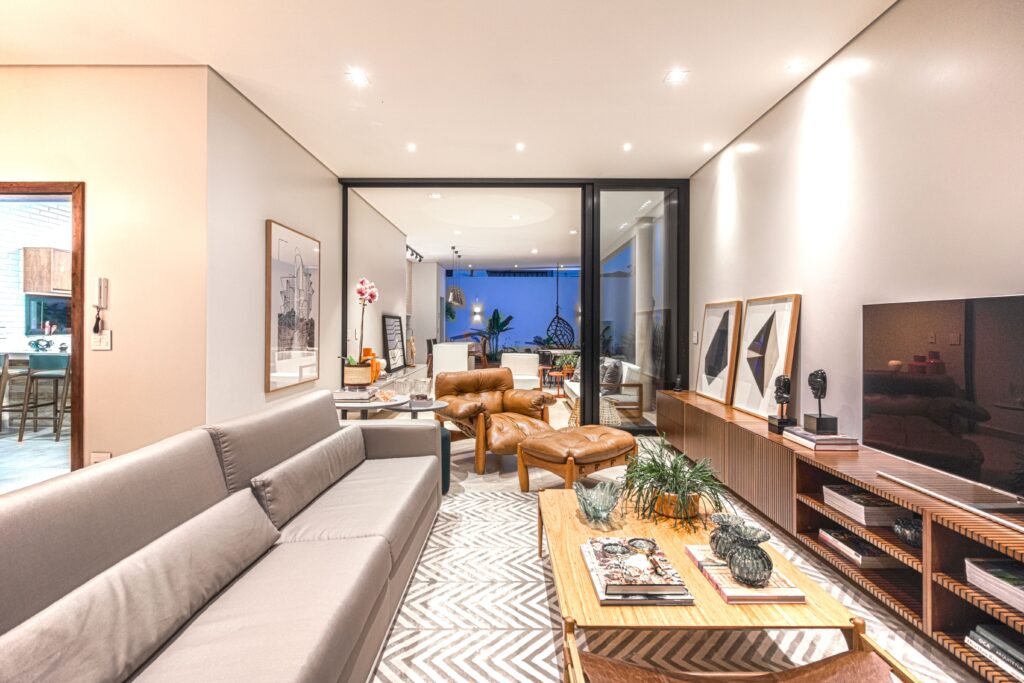
Lighting: The Most Underestimated Resource
Distribute light points
Relying only on a central ceiling light flattens the environment. The ideal is to distribute different light sources: a floor lamp next to the sofa, a wall sconce, a table lamp on the side table. This composition creates depth and draws volumes in the space.
Invest in indirect and warm light
Indirect lighting — such as LED strips behind furniture, shelves, or in the curtain valance — creates layers of coziness and expands the perception of depth. Bulbs with a warmer color temperature (yellowish) make the environment more welcoming.
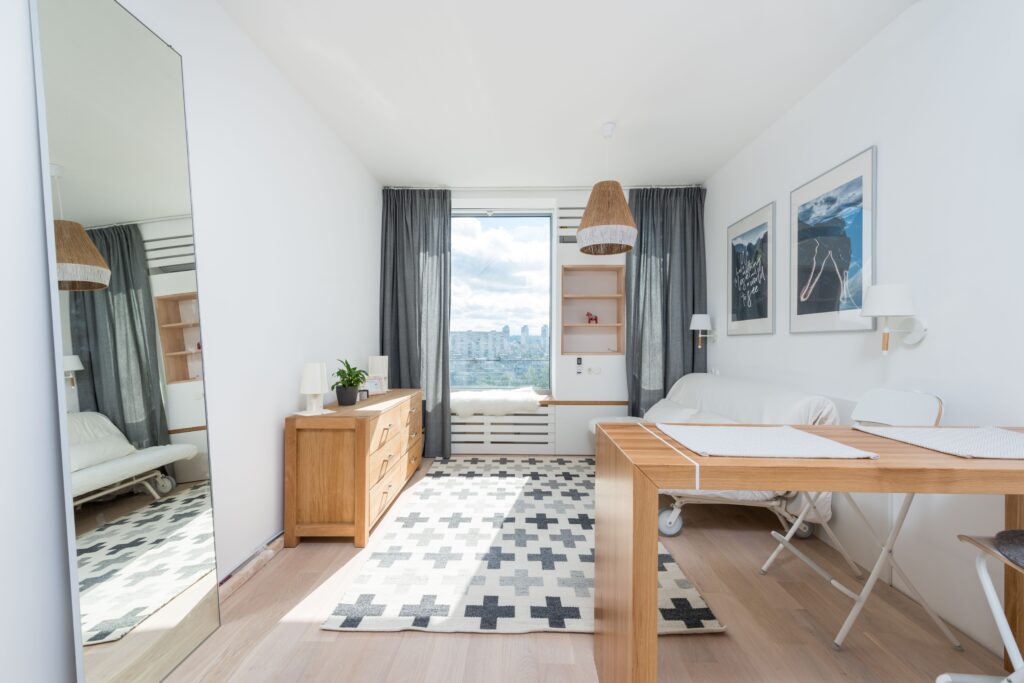
Visual Tricks That Expand the Space
Mirrors: use strategically
Mirrors are classic allies for expanding small living rooms. They reflect light and create depth. A large mirror positioned opposite a window can work as a “false window,” doubling the entry of natural light.
Caution: excessive use of mirrors can make the environment impersonal or cold. Use them with intention, reflecting only interesting points of the decor (plants, art, natural light).
Curtains: install from ceiling to floor
Hanging the curtain rod as close to the ceiling as possible and letting the fabric fall to the floor visually elongates the wall and creates the illusion of a higher ceiling. Prefer light, fluid fabrics like voile or linen, which allow natural light to enter.
Proportional rugs
Rugs that are too small visually shrink the environment. Large models, which accommodate the sofa and at least the two front legs of armchairs, help unify the space and create continuity. Besides visually organizing the layout, the right rug adds texture and comfort.

Common Mistakes When Decorating a Small Living Room
- Too much furniture: trying to fit many pieces fragments the space and creates visual clutter. Less is more.
- Furniture that’s too small: contrary to what it seems, several small pieces make the living room look disorganized. Prefer few proportional pieces.
- Ignoring lighting: relying on a single central light flattens the environment and reinforces the feeling of tightness.
- Blocking circulation: furniture that prevents free passage makes the space seem smaller and more uncomfortable.
- Overdoing mirrors and light colors: without balance, the living room can become impersonal and uninviting. The secret is intention.

Conclusion
Decorating a small living room is less about the size of the space and more about the choices you make. Keeping circulation free, choosing proportional and multifunctional furniture, investing in distributed lighting, and using colors and mirrors strategically are the pillars for transforming a compact environment into a functional, cozy, and visually larger space.
The secret lies in making every decision with intention: less furniture, more breathing room; less contrast, more continuity; less central light, more layers. With these guidelines, your small living room can become the coziest space in the house — not despite its size, but because of the right choices.

Frequently Asked Questions
How to decorate a small living room to make it look bigger?
Invest in light colors and neutral palettes, use mirrors strategically, prefer furniture with exposed legs and proportional to the space, distribute light points instead of relying on a single central lamp, and keep circulation free.
What’s the best color to paint a small living room?
Light, neutral tones like off-white, beige, soft gray, and sand reflect natural light better and create a sense of spaciousness. Cool, light colors make walls visually “recede”.
Do mirrors really help expand the living room?
Yes, when positioned strategically to reflect natural light or interesting decorative points. However, excessive use can make the environment impersonal. Use with balance.
How to choose the ideal sofa for a small living room?
Prefer sofas proportional to the space, with thin or no arms and exposed legs. Furniture with lighter designs frees up the visual field and doesn’t overwhelm the environment.
Is it worth investing in multifunctional furniture?
Yes. In small living rooms, every piece of furniture needs to have more than one function. Ottomans with storage, tables that double as chests, and sofa beds optimize space without sacrificing functionality.
How to use rugs in a small living room?
Avoid small rugs, which visually shrink the environment. Prefer large models, which accommodate the sofa and at least two legs of armchairs, creating continuity and unifying the space.
What to do so the small living room doesn’t feel cramped?
Keep circulation free (minimum 24 inches), avoid pushing all furniture against walls, create a clear focal point, and don’t overload the environment with decorative objects.