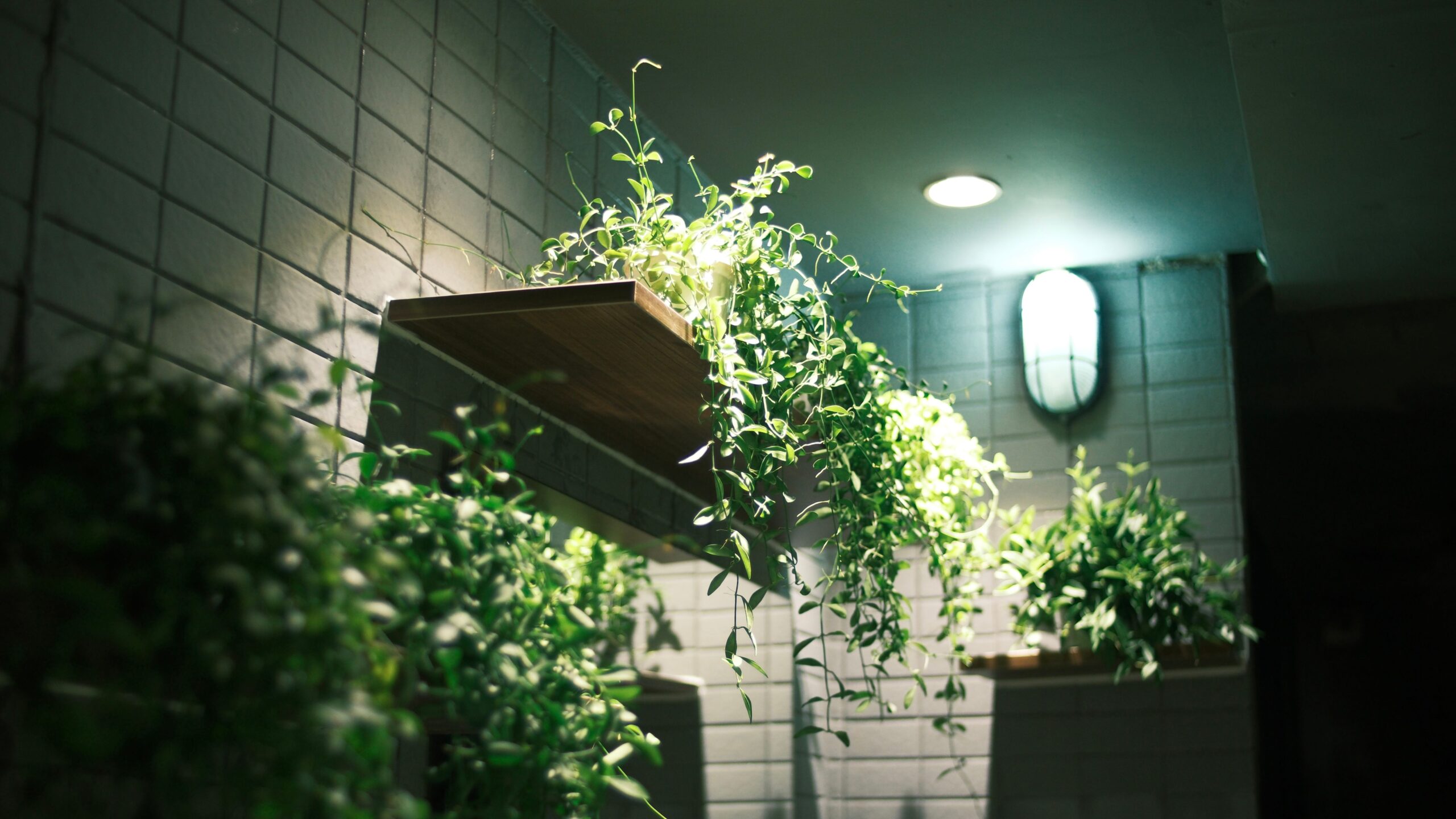
15 Plants that like low light
15 Plants that like low light 15 Plants that like low light 15 Plants that like low light 15 Plants that like low light
15 species for indoor spaces
Do you live in an apartment with little natural light and think you can’t have plants? Have you given up on cultivating a green corner because your home doesn’t receive direct sunlight?
The good news is that there are many species that adapt perfectly to low-light environments. According to the University of Minnesota Extension, some plants are classified as low-light precisely because they can grow in environments with little direct light, such as corners further away from windows . This doesn’t mean they live in complete darkness — all plants need light for photosynthesis — but the difference lies in the amount and intensity of light required for each species .
Agronomy specialist Ronan Machado explains that “plants that adapt well to low-light environments generally have wider, thicker leaves or darker coloring, which allows for greater efficiency in capturing available light” . These species also tend to have a slower metabolism, which reduces their energy requirements for development .
In this guide, you’ll discover the best plants for low-light environments — perfect for apartments, hallways, bathrooms, and rooms with small windows.
“I always thought my apartment, facing west with no direct sunlight, was an impossible place to have plants. When I discovered the ZZ plant and the snake plant, I realized I could have a green corner without needing a balcony or a sunny window — today I have over ten species that thrive here.”
15 Plants that like low light 15 Plants that like low light 15 Plants that like low light 15 Plants that like low light
What does “low-light plant” mean?
Before choosing your plants, it’s important to understand the concept. “Low light” in a home environment means a position that receives no direct sunlight, only indirect and ambient light. This includes north-facing rooms, spots more than 2 meters from any window, or rooms with small or obstructed windows . It does not mean “no light” — even the most shade-tolerant plants need some level of natural light to survive .
A practical test suggested by experts: if you can comfortably read a book in natural light in the spot during the day without turning on a lamp, there is probably enough light for the most tolerant species .
15 Plants that like low light 15 Plants that like low light 15 Plants that like low light 15 Plants that like low light
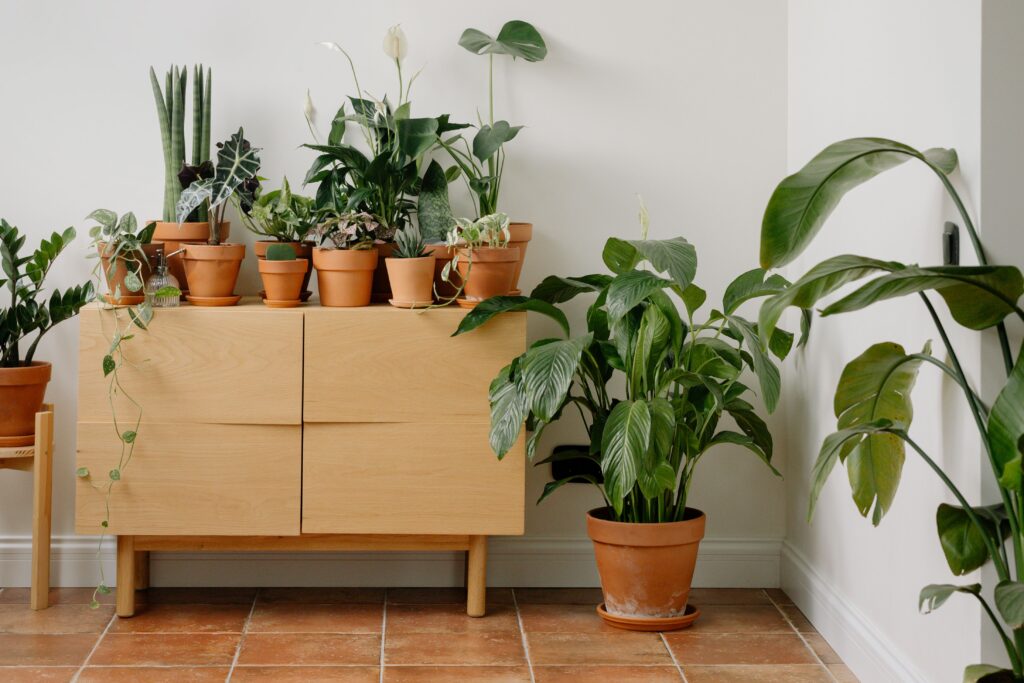

The 15 best plants for low light
1. ZZ Plant (Zamioculcas zamiifolia)
The ZZ plant is one of the most recommended plants for low-light environments. According to BBC Gardeners World Magazine, it has an upright shape that makes it useful for those with limited space, with long, glossy evergreen leaves that add interest to a room year-round . It stores water in its thick rhizomes, making it extremely tolerant of both low light and infrequent watering . Growth will be slow in low light, but the plant will not decline in the way that higher-light species do .
Care: water only when the substrate is completely dry. Overwatering is its greatest enemy . Keep out of reach of children and pets as all parts of the plant are toxic .
2. Snake Plant (Sansevieria trifasciata)
The snake plant is known for its nearly indestructible resistance. Its upright, firm leaves, reminiscent of a sculpture, bring elegance to any environment . According to Epic Gardening, it tolerates neglect and low to medium exposure conditions even when in an active growth period . Its succulent leaves store moisture, so it’s best to pay little attention to it — allow the soil to dry completely between waterings .
Care: sporadic watering. Tolerates both sun and shade, but prefers the latter . It’s one of the easiest plants to care for, ideal for beginners .
3. Peace Lily (Spathiphyllum wallisii)
The peace lily is one of the few flowering plants that tolerates low light. With its dark green leaves and white flowers, it brings an elegant touch to decoration . According to GrowTropicals, it will flower less frequently without brighter light, but the foliage remains healthy . It’s also one of the few plants that signals clearly when it needs water: the leaves droop noticeably before any real damage occurs .
Care: water when the leaves begin to droop slightly. Avoid waterlogging the soil .
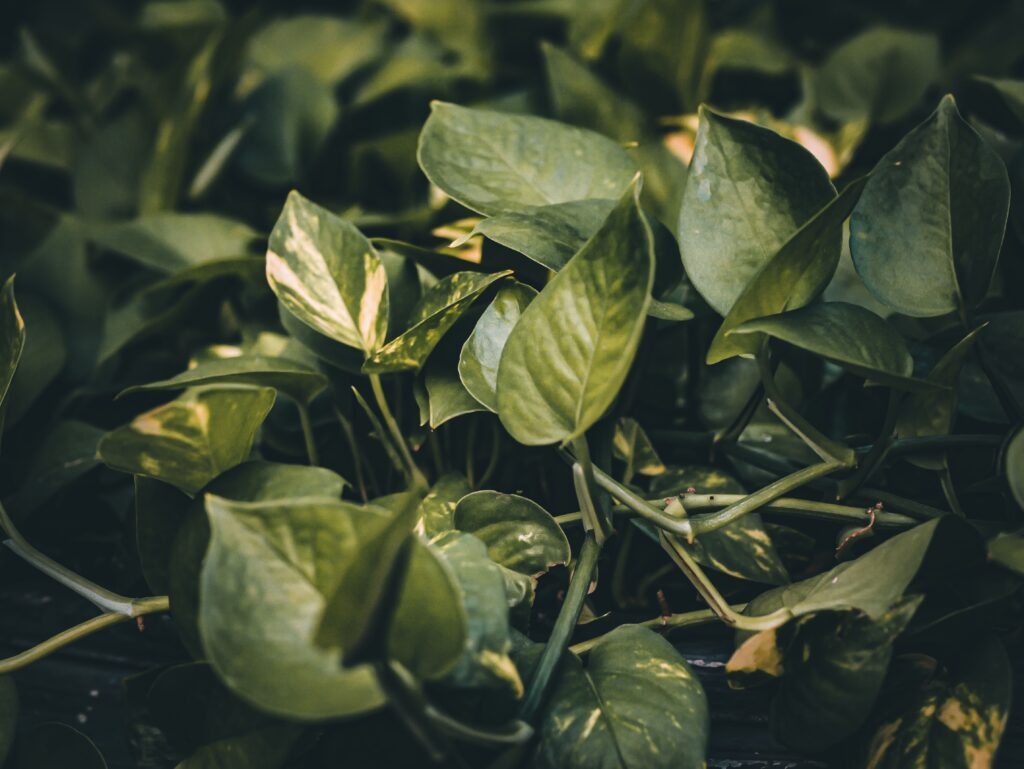
4. Pothos (Epipremnum aureum)
Pothos is considered the ultimate beginner plant, right next to snake plants in terms of ease of care and adaptability . Its vines are ideal for hanging baskets or shelves . According to GrowTropicals, it tolerates low light better than almost any trailing plant and will continue to produce new growth, though leaves will be smaller and paler than in better light .
Care: water moderately, allowing the soil to dry between waterings .
5. Spider Plant (Chlorophytum comosum)
Also known as the airplane plant, the spider plant is an interesting option for those looking for an easily adaptable species indoors . Its long, arched leaves create an ornamental effect, especially beautiful when placed in hanging pots . It tolerates lower light conditions, although its growth may slow and its leaves may lose some of their variegated characteristics .
Care: appreciates frequent watering, but the soil must drain well .
6. Philodendron (Philodendron)
Philodendron is a large genus of tropicals, and many of them make excellent houseplants . They are native to tropical rainforests, where they live in the understory, and already thrive in indirect light situations . When the days get shorter, their growth will slow, and you may notice the soil staying moist longer . Some types, like heartleaf, can survive in very little light during dormancy .
Care: water moderately. Adapts well to indoor environments.
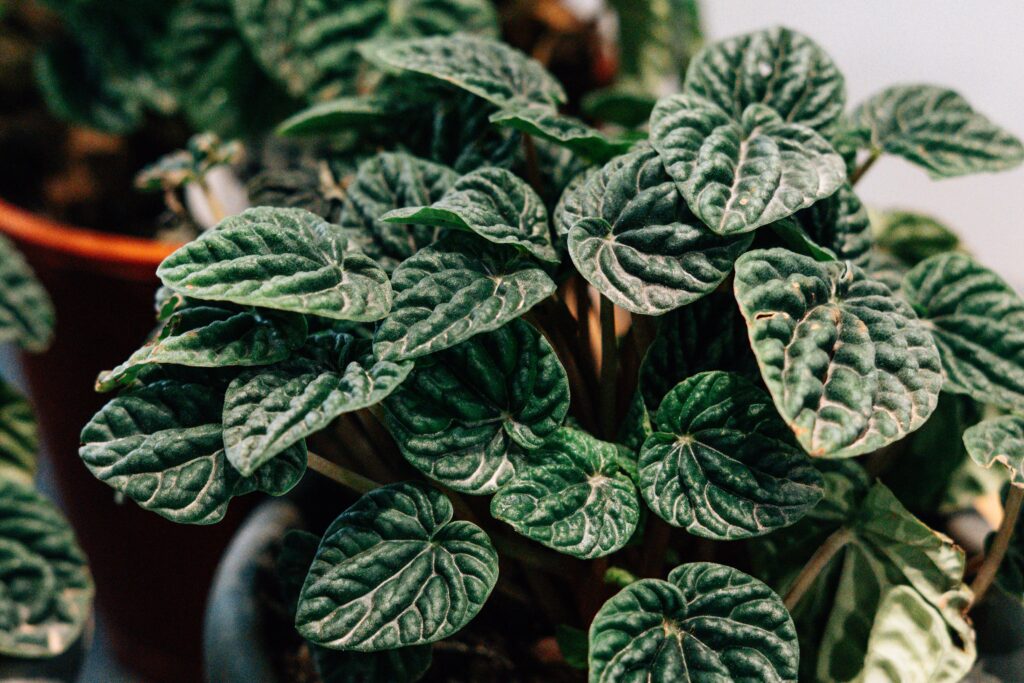
7. Peperomia (Peperomia spp.)
Peperomia is a compact plant, with watermelon-like leaves in the case of watermelon peperomia . According to the Royal Horticultural Society, peperomias prefer indirect or filtered light and should not receive excess water, as waterlogging can favor root problems .
Care: water when the soil is dry. Avoid wetting the leaves .
8. Boston Fern (Nephrolepis exaltata)
A classic in grandmothers’ homes, ferns don’t need much light to thrive . Keep the soil moist but not waterlogged . They are ideal for bathrooms and humid environments .
Care: keep the soil moist but not waterlogged. Misting the leaves helps maintain humidity .
9. Aglaonema (Chinese Evergreen)
When people ask what plants are suitable for dark rooms, aglaonema is often one of the first recommendations . Unlike many foliage plants, it offers beautiful patterned leaves in shades of green, silver, cream, and even soft pink, depending on the variety . It performs wonderfully in bedrooms, living rooms, and offices with indirect light .
Care: moderate watering. Tolerant of different lighting conditions .
10. Lady Palm (Rhapis excelsa)
The lady palm is one of the most elegant options for indoor spaces with low light. Its leaves resemble a real palm tree but in a compact version. It grows slowly and adapts well to spaces with indirect lighting.
Care: regular watering, but without waterlogging. Keep the soil slightly moist.
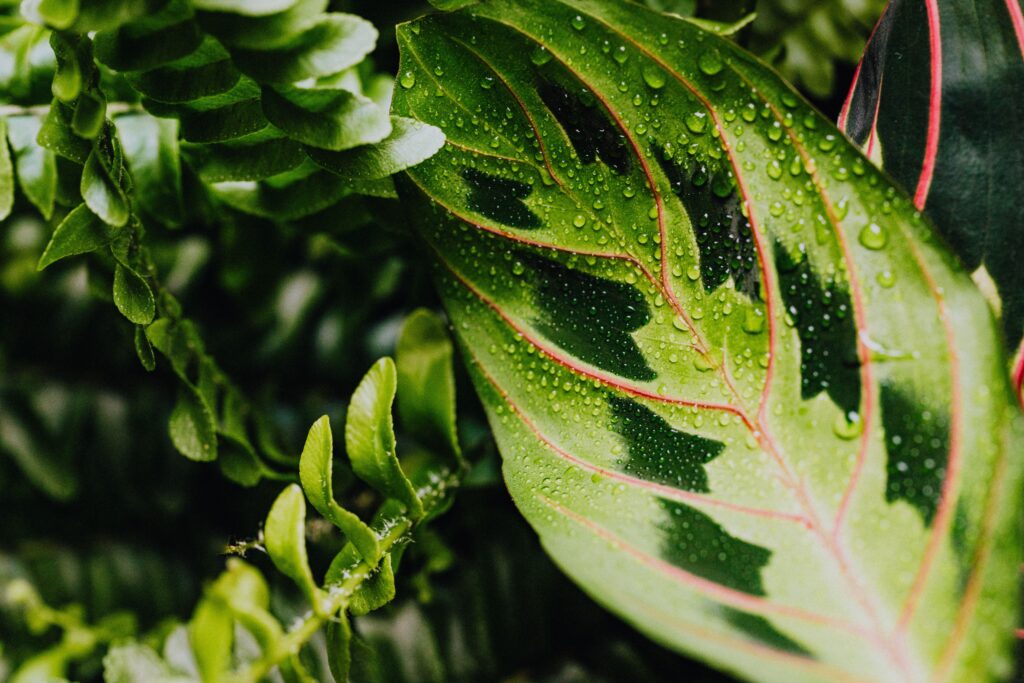
11. Prayer Plant (Maranta leuconeura)
The prayer plant is famous for its patterned leaves and its nighttime movement — the leaves fold as if praying. It adapts well to low-light environments and is widely used in interior decoration .
Care: keep the soil moist but not waterlogged. Enjoys humidity.
12. Anthurium (Anthurium andraeanum)
Anthurium is a tropical plant that adapts well to low-light environments, although it may flower less without brighter light . Its exotic flowers in red, pink, or white are a great decorative attraction.
Care: keep the soil slightly moist. Avoid direct sun.
13. Syngonium (Syngonium podophyllum)
Syngonium is a trailing or climbing plant that adapts very well to low-light environments . Its arrow-shaped leaves come in various colors, from green to pink.
Care: moderate watering. Well-draining soil.
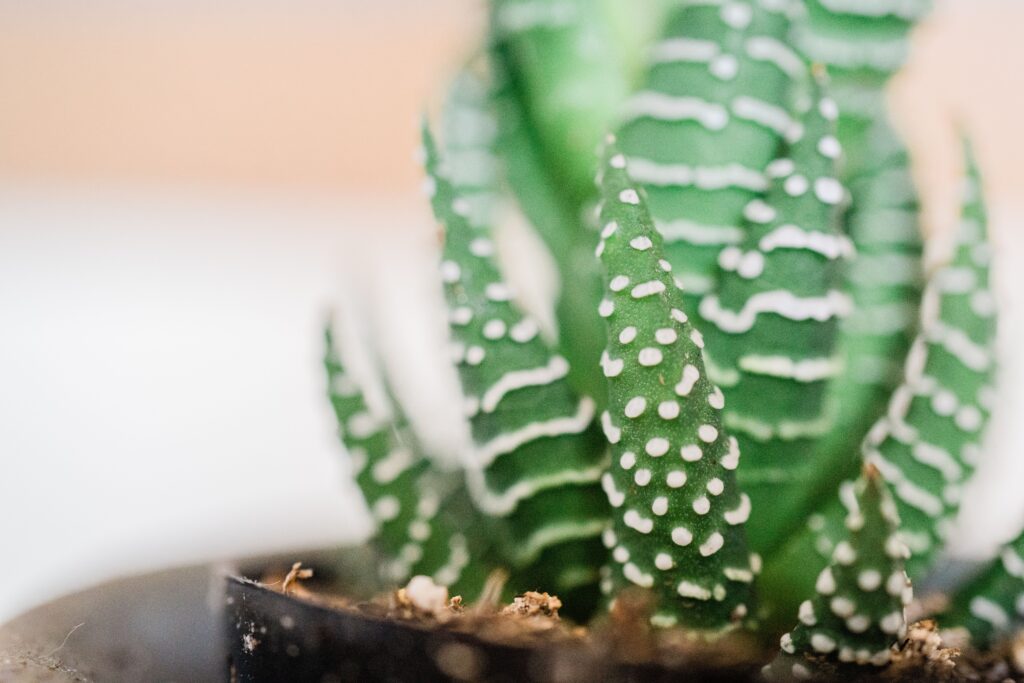
14. Haworthia
Haworthia is one of the rare succulents that tolerate low light . Its pointed leaves with white stripes create an interesting visual effect. It is perfect for tables and shelves with little indirect light.
Care: water only when the soil is completely dry. Tolerant of neglect.
15. African Violet (Saintpaulia)
Delicate, African violets will be happy in a darker location, as direct sunlight can burn their leaves . A tip when caring for yours is to not water the leaves but rather the base of the plant, avoiding mold .
Care: water at the base. Avoid wetting the leaves.
15 Plants that like low light 15 Plants that like low light 15 Plants that like low light 15 Plants that like low light
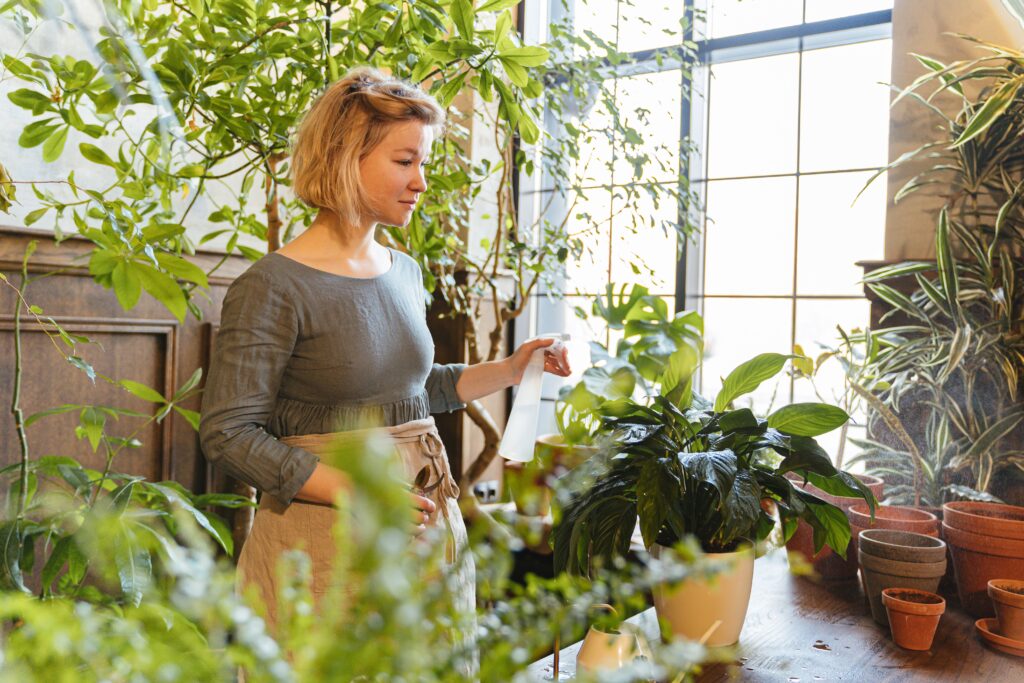
Essential care for low-light plants
Watering: the most common mistake
The most common mistake when growing plants in low-light environments is overwatering . In low-light locations, photosynthesis is slower and the soil dries out much more slowly. Maintaining the same watering schedule as in a brighter location leads to root rot . In a low-light position, most plants need roughly half the watering frequency compared to bright indirect light . Always check the soil before watering — stick your finger about 3 to 4 cm in or lift the pot to feel its weight .
Moderate fertilizing
Since they grow more slowly, these plants require less fertilizing. Ronan Machado recommends: “every 2 to 3 months, use a balanced fertilizer (NPK 10-10-10) or liquid organic fertilizers, always in smaller quantities than for full-sun plants” .
Leaf cleaning
Dust accumulation hinders light absorption, which is already scarce . Clean leaves regularly with a damp cloth .
Rotating pots
“Not rotating plants, always leaving the same side to the available low light, causes crooked growth,” warns the specialist . Rotate pots periodically to ensure uniform growth.
Artificial light can help
If your apartment has almost no natural lighting, one solution is to invest in specific artificial lights. “Full-spectrum LED lights (grow lights) are the most recommended, as they simulate sunlight, offering the blue and red light bands necessary for photosynthesis and development,” explains Ronan Machado, who recommends leaving them on for 8 to 12 hours per day.
“My biggest mistake at first was continuing to water my low-light plants at the same pace as the others. When I understood that the soil takes much longer to dry in these environments, I cut my watering frequency in half — and my plants never turned yellow again.”
15 Plants that like low light 15 Plants that like low light 15 Plants that like low light 15 Plants that like low light
What kills plants in dark rooms
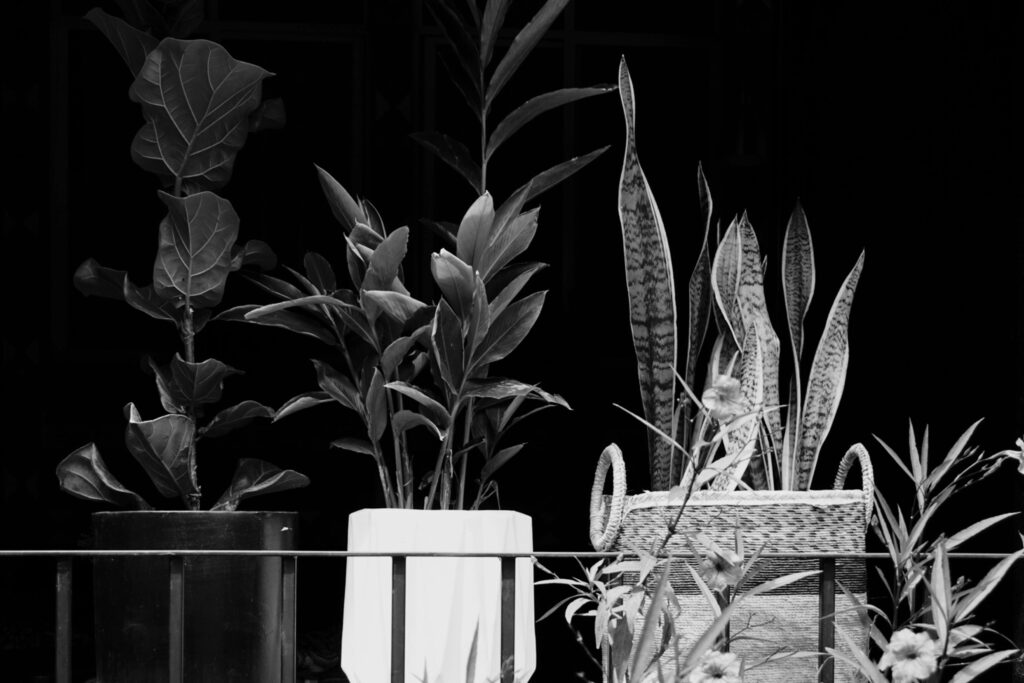
The most common cause of plant death in dark rooms is not the light level itself but the watering pattern that comes with it . The soil stays wet for far longer than expected, and roots suffocate in the saturated medium . The second most common problem is buying plants that are not genuinely low-light tolerant based on labels that say “tolerates low light” .
If a plant is struggling in low light, signs include long, leggy stems with widely spaced leaves, pale or yellow new growth, leaf drop, and very slow or no new growth over many months .
15 Plants that like low light 15 Plants that like low light 15 Plants that like low light 15 Plants that like low light

Frequently asked questions about low-light plants
Is it possible to have plants in an apartment without sun?
Yes! Many species adapt to low-light environments. ZZ plants, snake plants, pothos, peace lilies, and spider plants are some of the best options for those living in apartments with little sunlight .
How often should I water plants in low-light environments?
Much less frequently than you might think. In low-light locations, soil dries more slowly. Always check soil moisture before watering. You may only need to water every 3 to 4 weeks in winter .
Can I use artificial light to grow plants in dark environments?
Yes. Full-spectrum LED lights (grow lights) are the most recommended, as they simulate sunlight. They should be kept on for 8 to 12 hours per day .
What’s the best plant for beginners in low-light environments?
The ZZ plant and snake plant are unbeatable for beginners. They are extremely resilient, tolerate missed watering, and adapt well to low light. Pothos is also great, as it’s easy to care for and can be grown both as a trailing plant and on a trellis .
Do variegated plants work in low-light environments?
They are not recommended. Variegated areas contain less chlorophyll and are less efficient at photosynthesis. In low-light environments, the plant often puts out increasingly green leaves to compensate . For dark rooms, stick to all-green varieties .
Can flowering plants survive in low light?
Very few flowering plants do well in genuinely low-light conditions, with the peace lily being a notable exception . Most flowering houseplants need bright light to produce blooms .