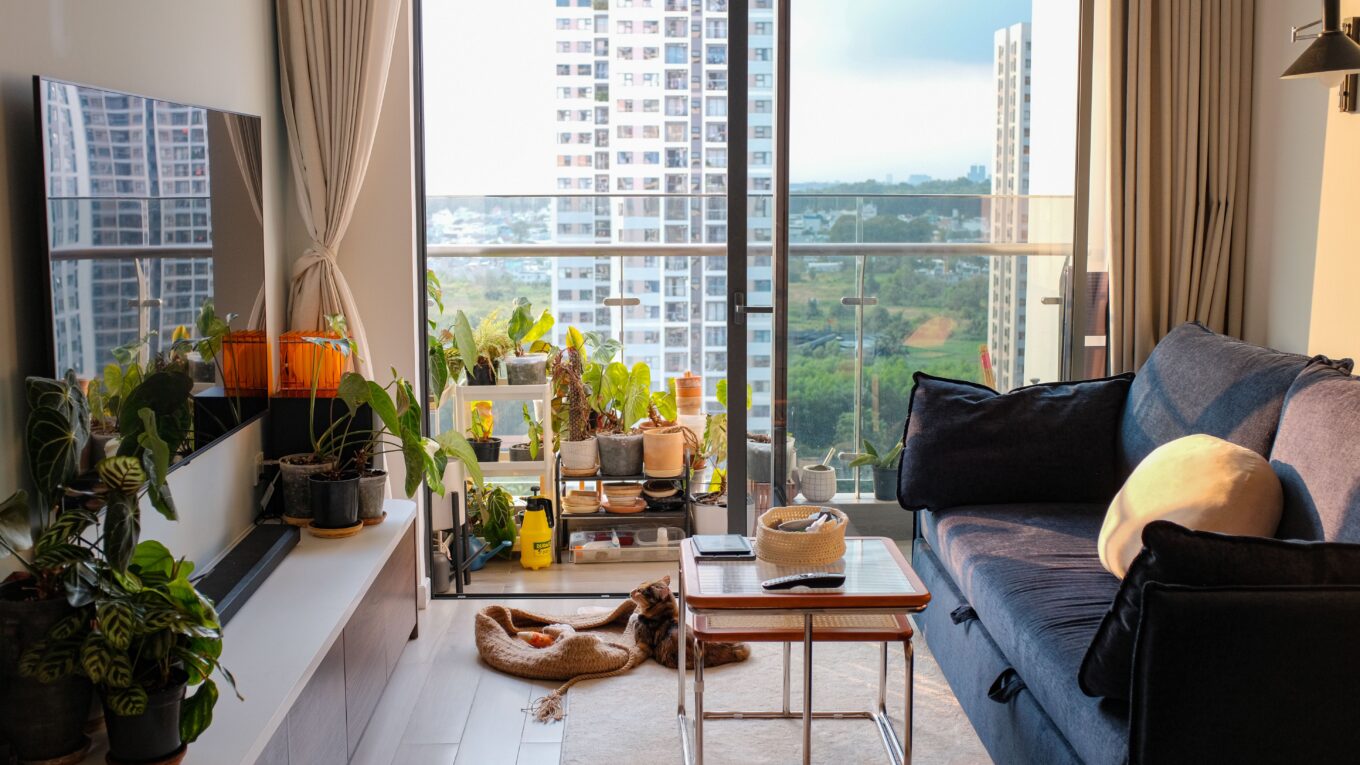
15 Best plants for apartments
15 easy species for indoor spaces
Do you dream of having a green corner at home but live in an apartment and think there’s no space or enough light? Have you bought plants that wilted in a few days without understanding why?
The good news is that it’s possible to cultivate a beautiful garden even in small apartments with little lighting. The key is choosing the right species. Many plants adapt perfectly to indoor environments, requiring little light and minimal maintenance . They not only beautify the space but also purify the air, improve humidity, and reduce stress, creating a more welcoming and healthy atmosphere .
In this guide, you’ll discover the 15 best plants for apartments that are resistant, easy to care for, and ideal for beginners.
“My apartment has small windows and little natural light, so I thought plants weren’t for me. When I started with a ZZ plant and a snake plant, I realized it was possible to have a green corner without direct sun — today I have over ten species that thrive here.”
15 Best plants for apartments 15 Best plants for apartments 15 Best plants for apartments 15 Best plants for apartments
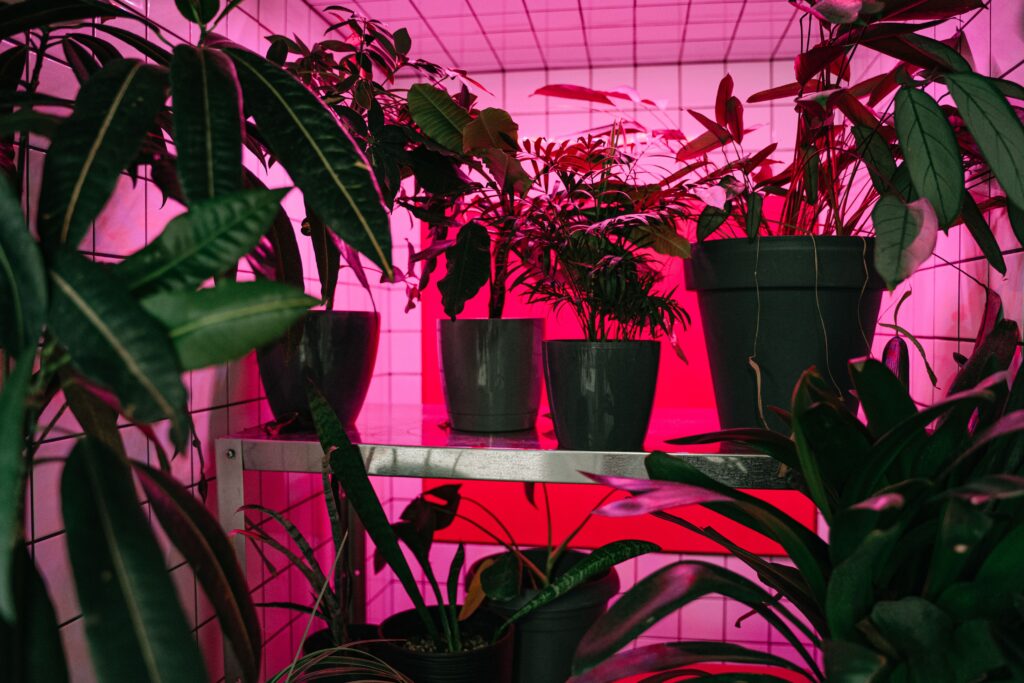
The basics of indoor cultivation: light, water, and substrate
Before choosing your plants, it’s important to understand the three pillars of apartment gardening: light, water, and soil.
Light: the most important resource
Most plants recommended for apartments prefer indirect light. This means they should be placed near windows but without receiving direct sunlight on their leaves, especially during the hottest hours . Environments with little natural light can also be illuminated with full-spectrum LED lights (grow lights), which simulate sunlight and should be on for 8 to 12 hours a day .
Water: less is more
The most common mistake among beginners is overwatering . In indoor environments, evaporation is slower, and excess water can rot the roots. The golden rule is: water only when the top layer of the substrate is dry. For most species on this list, this means spaced-out watering, from one week to fifteen days .
Substrate: the healthy foundation
The substrate should be light, aerated, and well-draining. A good mix is potting soil with coconut fiber and perlite or coarse sand, which prevents water accumulation around the roots .
15 Best plants for apartments 15 Best plants for apartments 15 Best plants for apartments 15 Best plants for apartments
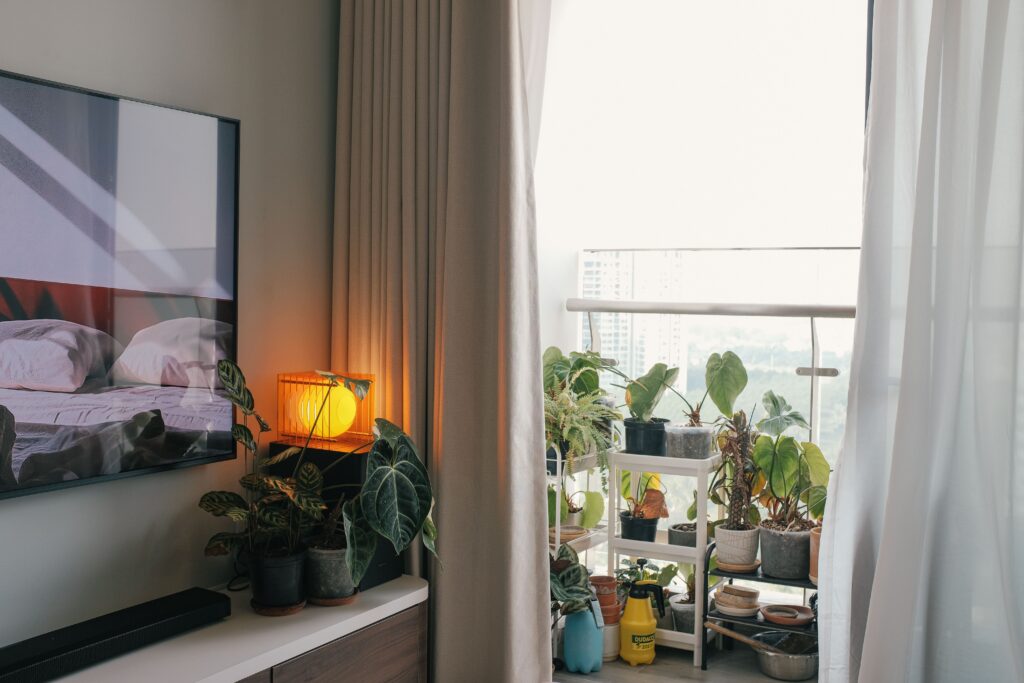
The 15 best plants for apartments
The champions of resilience
1. ZZ Plant (Zamioculcas zamiifolia)
The ZZ plant is often called the “iron plant” for its incredible resistance. It stores water in its roots and leaves, allowing for long periods without watering . It adapts to low-light environments and is one of the most recommended species for beginners .
- Light: indirect light or partial shade. Tolerates low-light environments.
- Watering: wait for the soil to dry completely between waterings, approximately every 10 to 15 days .
- Tip: it’s unbeatable for anyone wanting a beautiful plant that practically cares for itself .
2. Snake Plant (Sansevieria trifasciata)
With its upright, pointed leaves, the snake plant is synonymous with durability. It is extremely hardy and tolerates everything from shade to indirect light, and it purifies the air . It’s one of the best options for those who forget to water .
- Light: tolerates from shade to indirect light. Doesn’t need direct sun.
- Watering: water only when the soil is completely dry, every 15 to 20 days .
- Tip: one of the easiest plants to care for, ideal for hallways and corners with little light .
3. Peace Lily (Spathiphyllum wallisii)
Elegant and functional, the peace lily is known for its white flowers that contrast with dark green leaves. One of its most useful characteristics is that it “warns” when it needs water: the leaves droop slightly, indicating it’s time to water .
- Light: prefers indirect light environments, without direct sun .
- Watering: keep the soil slightly moist but not waterlogged, about 1 to 2 times a week .
- Tip: great for purifying the air and adding a touch of sophistication to the environment .
“The peace lily became my great ally because it ‘warns’ when it needs water: just look at the leaves. At first, I watered too much and couldn’t understand why the plants were turning yellow; when I learned to wait for the substrate to dry, everything changed.”
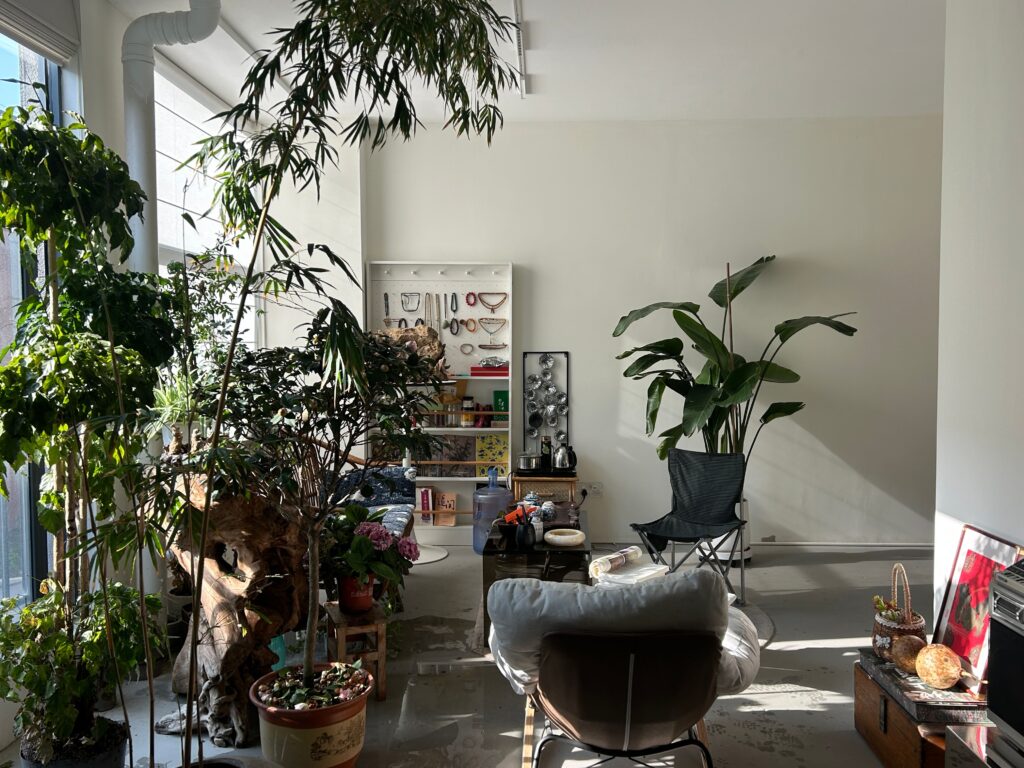
The darlings of urban jungles
4. Pothos (Epipremnum aureum)
Pothos is a versatile vine that can be grown in hanging pots or supported on trellises . Its heart-shaped leaves bring a cozy touch to any environment. It recovers quickly even after periods of neglect and grows well in partial shade .
- Light: indirect light. Tolerates low-light environments .
- Watering: moderate. Wait for the soil surface to dry between waterings .
- Tip: great for high shelves and creating the feeling of an urban jungle .
5. Peperomia (Peperomia spp.)
Compact and charming, peperomia is ideal for those with little space. Its succulent, shiny leaves are drought-resistant and come in various colors and shapes . They are perfect for shelves, tables, and niches .
- Light: diffused light or partial shade. Doesn’t like direct sun.
- Watering: water when the soil is completely dry, usually once a week .
- Tip: one of the most beloved plants for small apartments .
6. Boston Fern (Nephrolepis exaltata)
A classic in Brazilian homes, the Boston fern brings a full, trailing look, ideal for hanging pots . It’s a tropical plant that enjoys humidity and indirect light, perfect for bathrooms and covered balconies .
- Light: indirect light. Avoid direct sun.
- Watering: keep the soil moist but not waterlogged. Misting the leaves helps maintain humidity .
- Tip: the ideal plant for a hanging garden .
7. Philodendron (Philodendron)
Philodendrons are tropical plants that adapt very well to indoor environments. Species like the philodendron Brasil are especially resistant, tolerating low light and inconsistent watering .
- Light: indirect light.
- Watering: moderate. Wait for the soil to dry between waterings.
- Tip: these plants grow well in pots and can be staked.
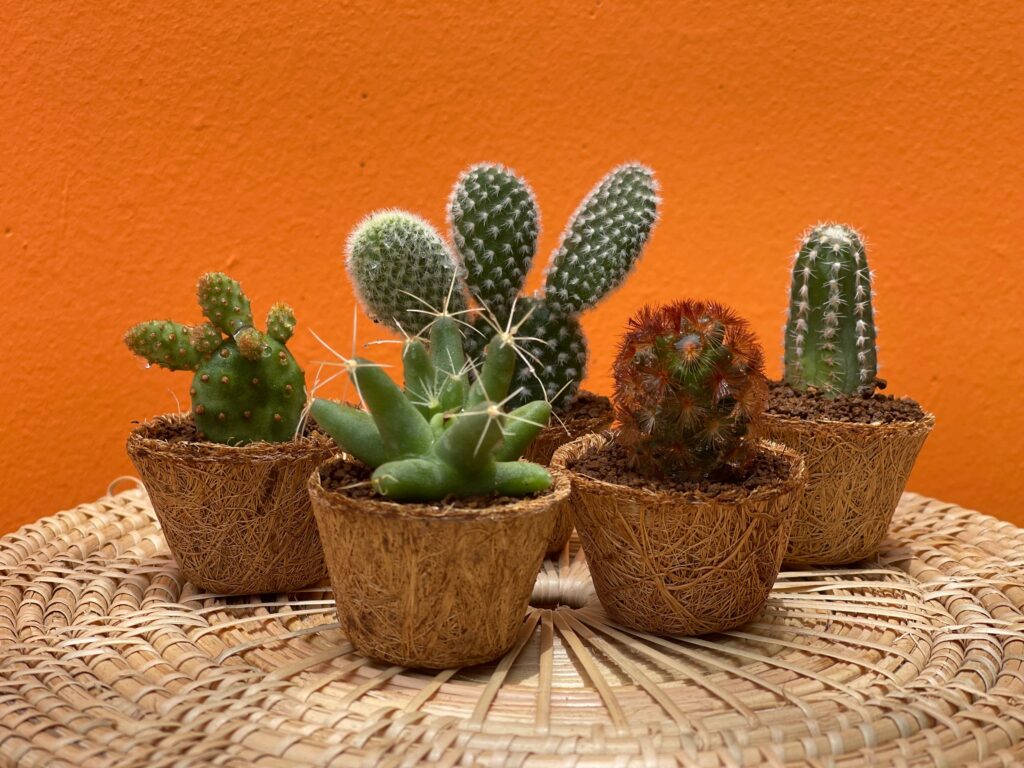
Succulents and cacti: compact beauty
8. Succulents (various species)
Succulents are the darlings of those with little time. They store water in their fleshy leaves, drastically reducing the need for watering . They come in many sizes, shapes, and colors, perfect for complementing decor .
- Light: bright indirect light. Some species enjoy a few hours of morning sun.
- Watering: water only when the soil is completely dry .
- Tip: the most common mistake is overwatering. Less is more.
9. Cacti (various species)
Like succulents, cacti are low-maintenance plants that store water and adapt well to indoor environments . They bring a contemporary, modern touch to decor.
- Light: prefer plenty of light, but some species adapt to partial shade.
- Watering: water only when the soil is completely dry, with very spaced-out waterings.
- Tip: ideal for people who travel often or forget to water.
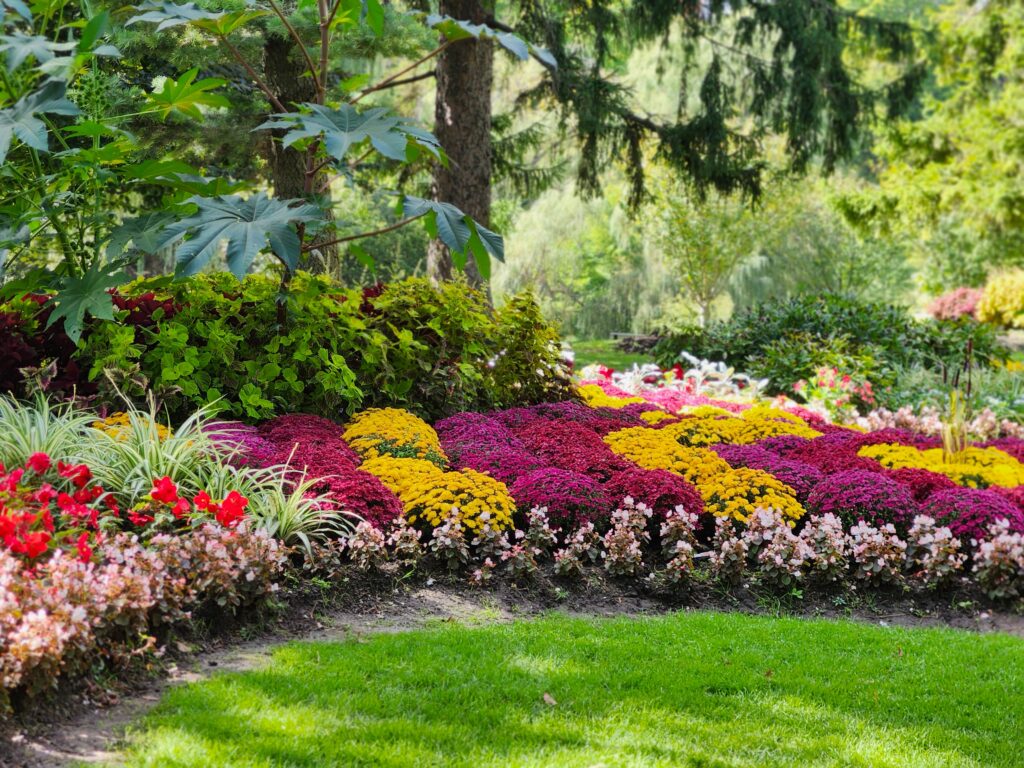
Flowers and colorful plants
10. Begonia (Begonia spp.)
Begonias are flowers that adapt well to partial shade and come in various colors and leaf types . The begonia maculata, with its white spots, is currently one of the most popular .
- Light: partial shade or indirect light.
- Watering: moderate. Avoid wetting the leaves to prevent spots.
- Tip: great for adding color to indoor environments .
11. Anthurium (Anthurium andraeanum)
With its exotic flowers in shades of red, pink, and white, the anthurium adds elegance to shaded spaces . It’s a plant that enjoys humid, well-lit environments but without direct sun .
- Light: indirect light or partial shade.
- Watering: keep the soil slightly moist.
- Tip: one of the easiest flowers to grow indoors .
12. African Violet (Saintpaulia)
Delicate and charming, the African violet is an indoor flower that develops best in indirect light. Direct sun exposure can burn its leaves .
- Light: indirect light. Avoid direct sun.
- Watering: water the base of the plant, avoiding wetting the leaves to prevent mold .
- Tip: one of the most popular and easy-to-care-for flowers in closed environments.
13. Orchids (various species)
Orchids are one of the most popular flowers in Brazil and don’t need much light to survive . They enjoy water, but it’s important not to overwater them, so the pot should have good drainage .
- Light: indirect light.
- Watering: moderate. Keep humidity but avoid waterlogging.
- Tip: flowers that bring lasting beauty and sophistication to the apartment.
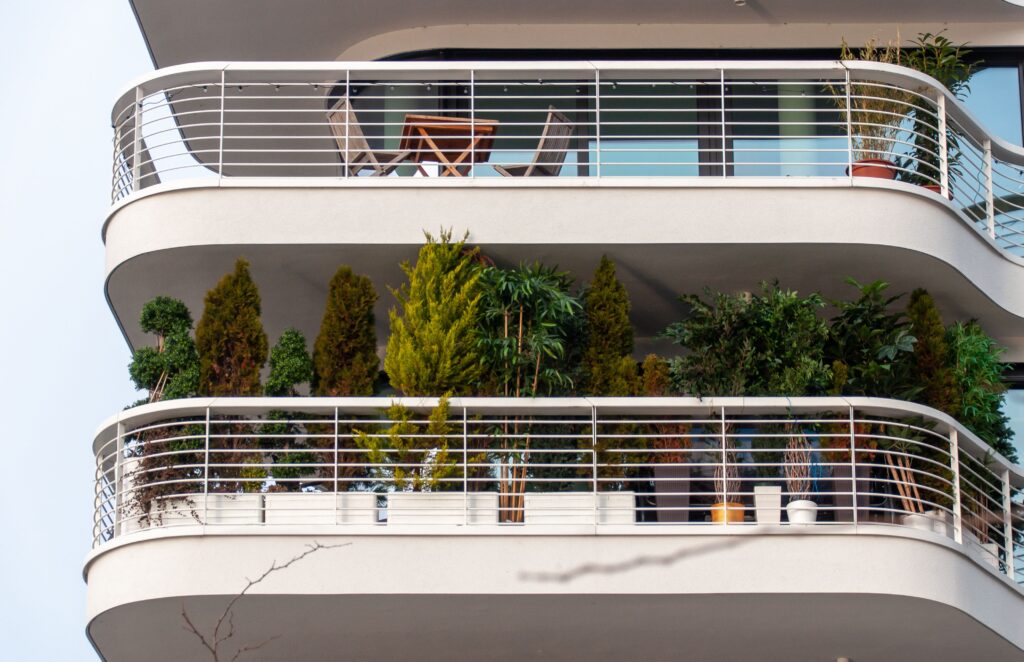
For those with more space
14. Monstera (Monstera deliciosa)
With its large, cut-out leaves, the monstera adapts well to indoor environments with indirect light . Despite its size, it can be grown in pots and becomes a true focal point in decor .
- Light: indirect light or partial shade.
- Watering: regular watering, but without waterlogging. Keep the soil moist.
- Tip: wiping the leaves with a damp cloth helps maintain natural shine .
15. Fiddle Leaf Fig (Ficus lyrata)
The fiddle leaf fig has large, shiny leaves that function as a focal point in any environment . It’s one of the darlings of contemporary decor and adapts well to indoor environments with indirect light .
- Light: abundant indirect light. Doesn’t like direct sun.
- Watering: moderate. Wait for the soil to dry between waterings.
- Tip: this plant requires some stability. Avoid frequent changes of location .
15 Best plants for apartments 15 Best plants for apartments 15 Best plants for apartments 15 Best plants for apartments
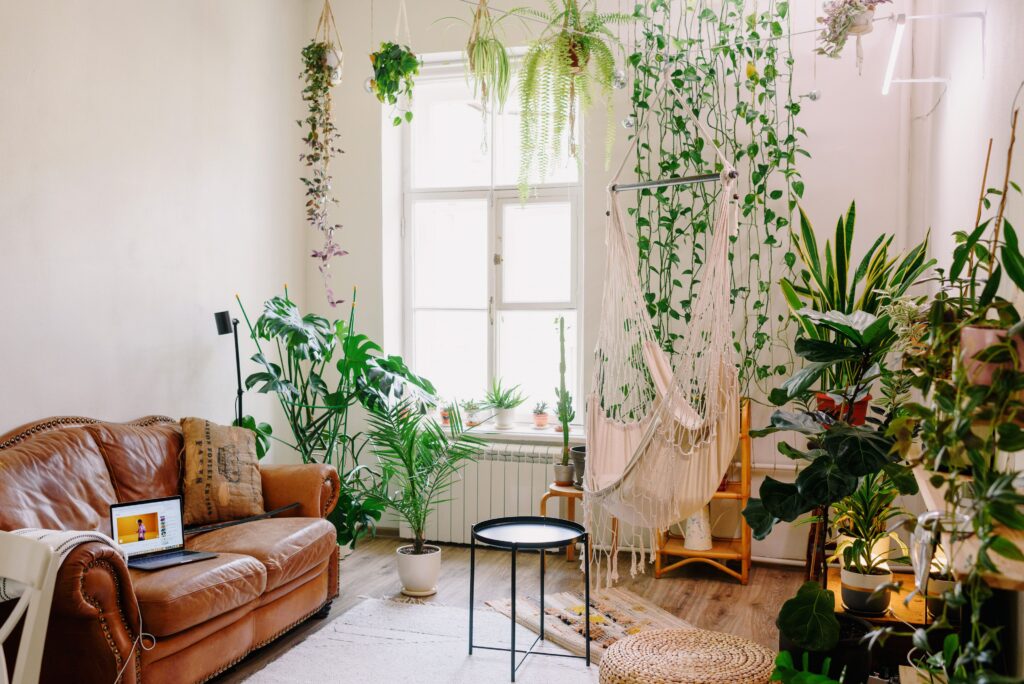
How to hang plants in small apartments: optimizing space
In small apartments, floor space is precious. Therefore, one of the best strategies to have more plants is to take advantage of verticality .
Hanging plants for compact spaces
Hanging plants are the great allies of decor in small apartments. They occupy the top of walls, shelves, and ceilings, leaving the floor free for circulation and furniture . Aerial pots also improve leaf ventilation, reduce contact with pets, and combine well with pictures, lamps, and other decorative items .
Best species for hanging pots:
- Pothos (Epipremnum aureum): the most classic and versatile.
- Trailing Peperomia (Peperomia spp.): compact and charming.
- Boston Fern (Nephrolepis exaltata): the queen of hanging pots.
- String of Pearls (Senecio rowleyanus): has rounded leaves that look like a cascade of small beads, preferring bright indirect light .
- Rhipsalis (Rhipsalis): a hanging succulent that also enjoys indirect light and spaced-out watering .
How to hang safely
- On masonry ceilings: use hooks with appropriate wall plugs for the pot’s weight.
- On walls: prefer reinforced brackets and shelves, always respecting the manufacturer’s recommended load .
- Spacing: leave space between pots for air circulation and avoid hanging them directly over electronics .
15 Best plants for apartments 15 Best plants for apartments 15 Best plants for apartments 15 Best plants for apartments
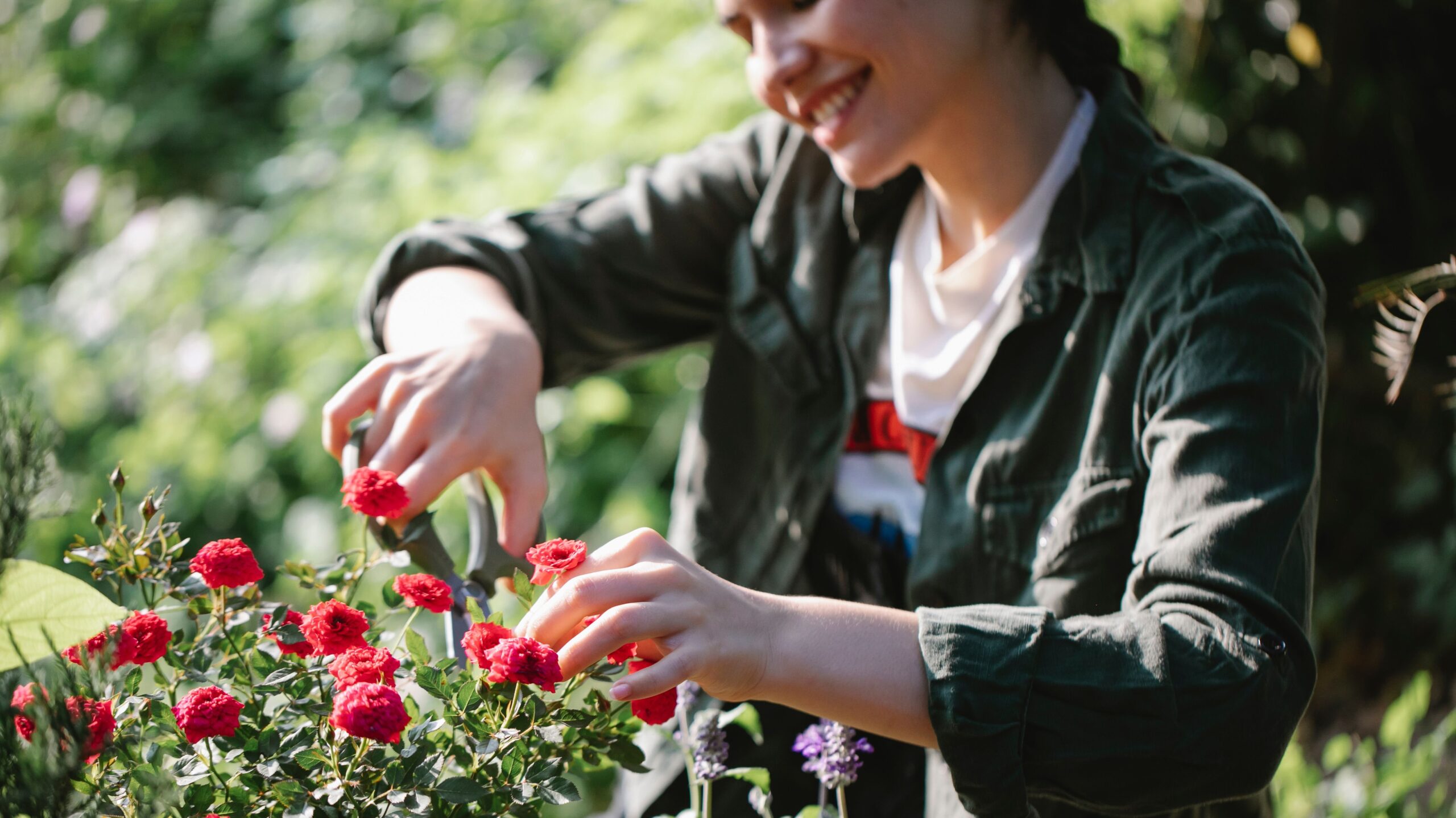
Essential care for a healthy garden
Leaf cleaning
Dust accumulation on leaves hinders photosynthesis. Occasional cleaning with a damp cloth helps keep plants healthy and shiny .
Fertilizing
Plants in indoor environments grow slower and require less fertilization. It’s recommended to use a balanced fertilizer (NPK 10-10-10) or liquid organic fertilizers every 2 to 3 months, in smaller quantities than for full-sun plants .
Rotating pots
Not rotating plants, always leaving the same side towards the available light, causes crooked growth . Turn the pots from time to time to ensure all sides receive the same amount of light.
Avoid overwatering
The most common mistake is overwatering, which can rot the roots . Always check soil moisture before watering and avoid leaving water accumulated in the saucer.
15 Best plants for apartments 15 Best plants for apartments 15 Best plants for apartments 15 Best plants for apartments

Frequently asked questions about apartment plants
What is the best plant for an apartment without sun?
The ZZ plant and snake plant are the best options. Both adapt to low-light environments and withstand long periods without water . The peace lily and pothos are also excellent choices for locations with indirect light .
How to care for plants in a small apartment?
Take advantage of vertical space with hanging pots . Choose compact plants like peperomias, succulents, and violets. Invest in shelves and niches to create a vertical garden . Water only when the soil is dry .
Can I have plants in the bathroom?
Yes! Bathrooms generally have high humidity, ideal for ferns and peace lilies, which enjoy humid and shaded environments . Ensure there is adequate ventilation.
Can succulents stay indoors?
Yes, as long as they receive abundant indirect light. They should be placed near windows but without direct sunlight during the hottest hours .
How often should I water plants in the apartment?
The general rule is: water only when the soil is dry. For most plants on this list, this means watering every 7 to 15 days, depending on the species and season .
How to choose a pot for indoor plants?
Prefer pots with drainage holes to prevent water accumulation. Ceramic or clay pots help regulate moisture . The size should be proportional to the plant — pots that are too large can retain excess moisture.
What to do with plants that have yellowed or wilted leaves?
This usually indicates overwatering or lack of light. Check soil moisture and the location’s lighting. It may be necessary to change the pot to one with better drainage or move the plant to a more illuminated location.