15 easy-to-care-for plants: the ultimate guide for beginners
Have you ever wanted to have plants at home but gave up, afraid they would die within a few days? Have you bought a beautiful flower and, even watering it every day, watched it wilt without understanding why?
If you answered “yes” to any of these questions, this article is for you. The truth is that many plants die not from lack of care but from excess of it. Watering every day, placing them in direct sunlight, or using the wrong pot are common mistakes that can be avoided with smart choices .
The good news is that there are species that seem made for beginners. They are resilient, forgive small mistakes, and adapt to different environments — including those with little natural light .
In this guide, you’ll discover 15 easy-to-care-for plants, divided by category to make your choice easier. At the end, we’ve gathered practical tips so you never go wrong with watering and lighting again.
“I’ve lost several plants by overwatering them, thinking I was taking good care of them. When I understood that most of them die from too much water, not from lack of it, I completely changed my relationship with plants — today the ZZ plant and the snake plant are my inseparable companions.”
15 easy-to-care-for plants 15 easy-to-care-for plants 15 easy-to-care-for plants
What makes a plant easy to care for?
Before presenting the list, it’s worth understanding why some plants are better suited for beginners. Three characteristics make all the difference :
- Resilience: they withstand temperature variations, light changes, and even short periods of neglect.
- Low water consumption: they store water in leaves, stems, or roots, allowing longer intervals between waterings.
- Adaptation to indirect light: they grow well in indoor environments without needing direct sunlight.
With these characteristics in mind, let’s move on to the 15 species that will transform your green corner.
15 easy-to-care-for plants 15 easy-to-care-for plants 15 easy-to-care-for plants
Plants that survive even in low-light environments
These are the champions of resilience. If you live in an apartment with little natural light or have a busy routine, start here.
1. ZZ Plant (Zamioculcas zamiifolia)
The ZZ plant is often called the “iron plant” — and for good reason. It stores water in its roots and leaves, allowing long periods without watering . It adapts well to low-light environments and grows slowly, maintaining its beauty for years .
- Light: indirect light or partial shade. Tolerates low-light environments.
- Watering: wait for the soil to dry completely between waterings.
- Tip: one of the most recommended plants for offices and living rooms .
2. Snake Plant (Sansevieria trifasciata)
With its upright leaves that resemble sculptures, the snake plant is synonymous with durability . It withstands both full sun and shade and goes long periods without water . It’s one of the most rustic plants out there.
- Light: tolerates from direct sun to partial shade.
- Watering: water only when the soil is completely dry.
- Tip: great for hallways, living rooms, and even bathrooms with little light .
3. Pothos (Epipremnum aureum)
Pothos is a vine that can be grown in hanging pots or supported on trellises . Its heart-shaped leaves bring a cozy touch to any environment. It recovers quickly even after periods of neglect .
- Light: indirect light. Avoid strong direct sunlight.
- Watering: moderate. Wait for the soil surface to dry before watering.
- Tip: it “warns” when something is wrong — wilted or yellowing leaves are signs of needed adjustments .
4. Peace Lily (Spathiphyllum wallisii)
The peace lily is elegant and functional. Its white flowers contrast with dark green leaves, and it has a special feature: when it needs water, the leaves “droop” — a clear sign for beginners .
- Light: prefers low-light or indirect-light environments .
- Watering: keep the soil slightly moist, but without waterlogging.
- Tip: helps keep the environment more humid and purifies the air .
5. Spider Plant (Chlorophytum comosum)
Also known as “airplane plant,” the spider plant forms clumps with hanging offshoots that can be easily replanted . It multiplies on its own and requires little maintenance .
- Light: adapts well to partial shade.
- Watering: appreciates frequent watering, but the soil must drain well.
- Tip: great for hanging pots and planters.
“Pothos was the first plant that survived in my home with little light. It warns me when something is wrong: just look at the leaves. I learned to observe it every week and, since then, it keeps growing nonstop — and I gained the confidence to care for other species.”
15 easy-to-care-for plants 15 easy-to-care-for plants 15 easy-to-care-for plants
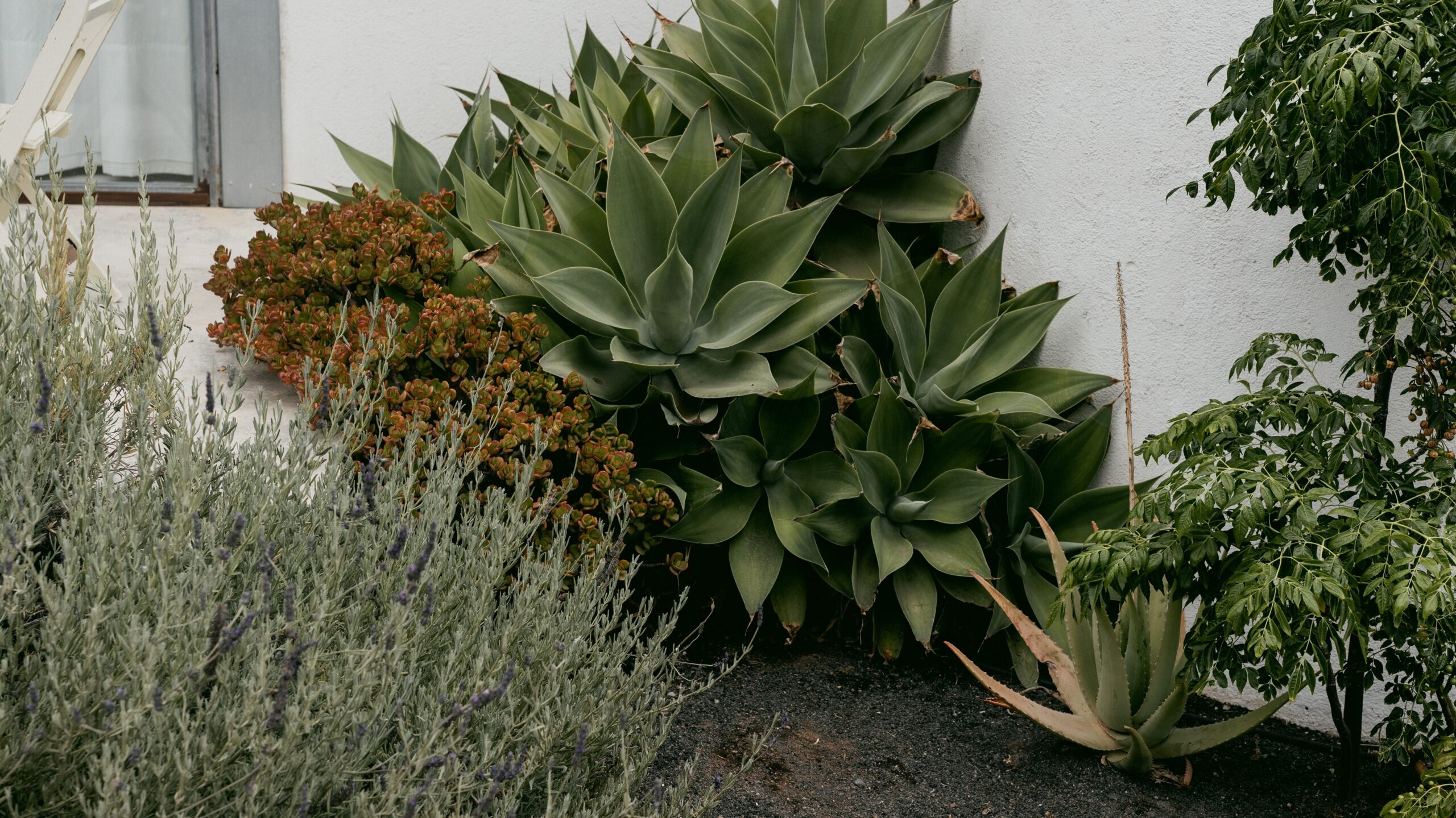
Succulents: compact beauty that requires little care
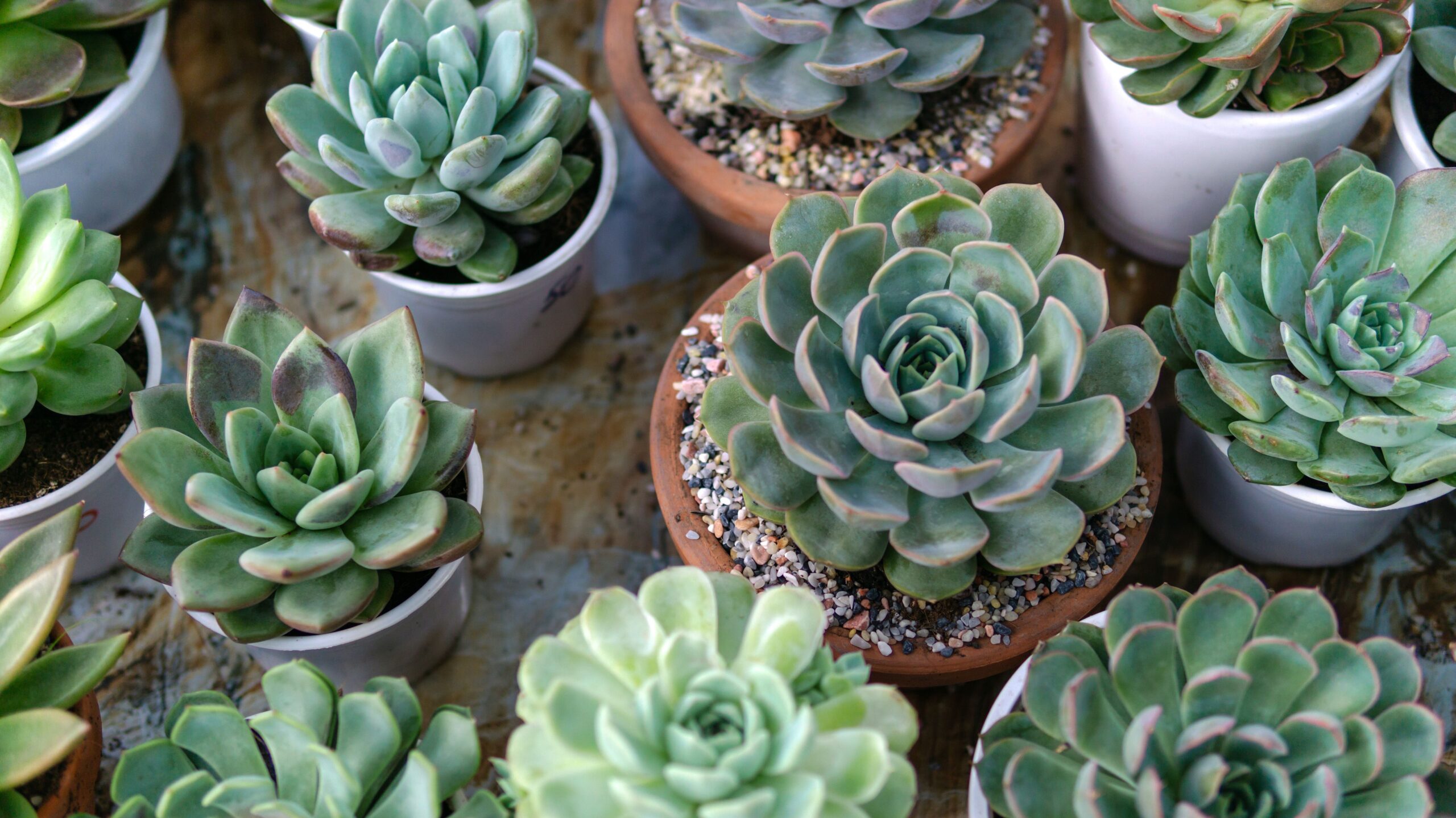
Succulents are favorites among those with little time. They store water in their fleshy leaves, drastically reducing the need for frequent watering .
6. Echeveria
With its perfect rosettes and vibrant colors, echeveria is one of the most popular succulents . Native to arid regions of Mexico, it has adapted to survive with little water .
- Light: bright indirect light. A few hours of morning sun are beneficial.
- Watering: water only when the soil is completely dry — usually once a week in summer and every 15 days in winter .
- Tip: the most common mistake is overwatering. Less is more .
7. Aloe Vera
Besides being easy to care for, aloe vera has practical uses — the gel from its leaves is known for its soothing skin properties. It stores large amounts of water, allowing long intervals between waterings .
- Light: good indirect light.
- Watering: water when the soil is dry. In winter, reduce even further.
- Tip: growing in terracotta pots helps prevent excess moisture .
8. Haworthia
Haworthia is a compact succulent with slow growth and minimal maintenance . Its leaves often feature white stripes or dots, making it very ornamental.
- Light: indirect light. Very dark environments can compromise its development .
- Watering: water only when the soil is dry.
- Tip: ideal for small spaces like work desks and shelves.
9. Jade Plant (Crassula ovata)
The jade plant is a shrubby succulent with rounded, shiny leaves. It’s considered a symbol of prosperity in some cultures .
- Light: appreciates bright indirect light.
- Watering: water when the soil is completely dry.
- Tip: can grow for many years, becoming a large plant.
10. Sedum
Sedums are succulents that form mats or small mounds. They are extremely resilient and spread easily .
- Light: full sun or partial shade.
- Watering: tolerate long periods of drought.
- Tip: great for planters and shallow pots.
15 easy-to-care-for plants 15 easy-to-care-for plants 15 easy-to-care-for plants
Plants that withstand minor neglect
These species are known for “forgiving” beginner mistakes, like forgetting to water or placing them in inadequate light.
11. Aglaonema
Aglaonema has leaves with varied patterns ranging from green to silver and red. It adapts well to low-light environments .
- Light: indirect light or partial shade.
- Watering: keep the soil slightly moist, but without waterlogging.
- Tip: one of the most tolerant plants for different lighting conditions .
12. Philodendron
Philodendrons are tropical plants that adapt very well to indoor environments. Species like philodendron Brasil and philodendron Xanadu are especially resilient, tolerating low light and inconsistent watering .
- Light: indirect light.
- Watering: moderate. Wait for the soil to dry between waterings.
- Tip: these plants grow well in pots and can be staked.
13. Dracaena
Dracaenas vary in size, shape, and color, but they all have long leaves that grow upward and outward from a central stem . They’re incredibly easy-to-care-for houseplants.
- Light: indirect light. Tolerates low-light environments.
- Watering: water when the soil is dry on the surface.
- Tip: great for shelves and living room corners .
14. Peperomia
Compact and ornamental, peperomia is perfect for shelves and tables. Its leaves can be smooth, wrinkled, or patterned .
- Light: indirect light.
- Watering: keep the soil slightly moist.
- Tip: avoid getting water on the leaves to prevent spots.
15. Money Plant
With a vintage charm reminiscent of grandmothers’ houses, the money plant is perfect for those looking for an easy-to-care-for species . Its trailing foliage makes it ideal for shelves and hanging pots.
- Light: adapts well to shady spots .
- Watering: regular watering, but without waterlogging.
- Tip: creates an elegant cascading effect on tall furniture .
15 easy-to-care-for plants 15 easy-to-care-for plants 15 easy-to-care-for plants
How to care for your plants: practical tips
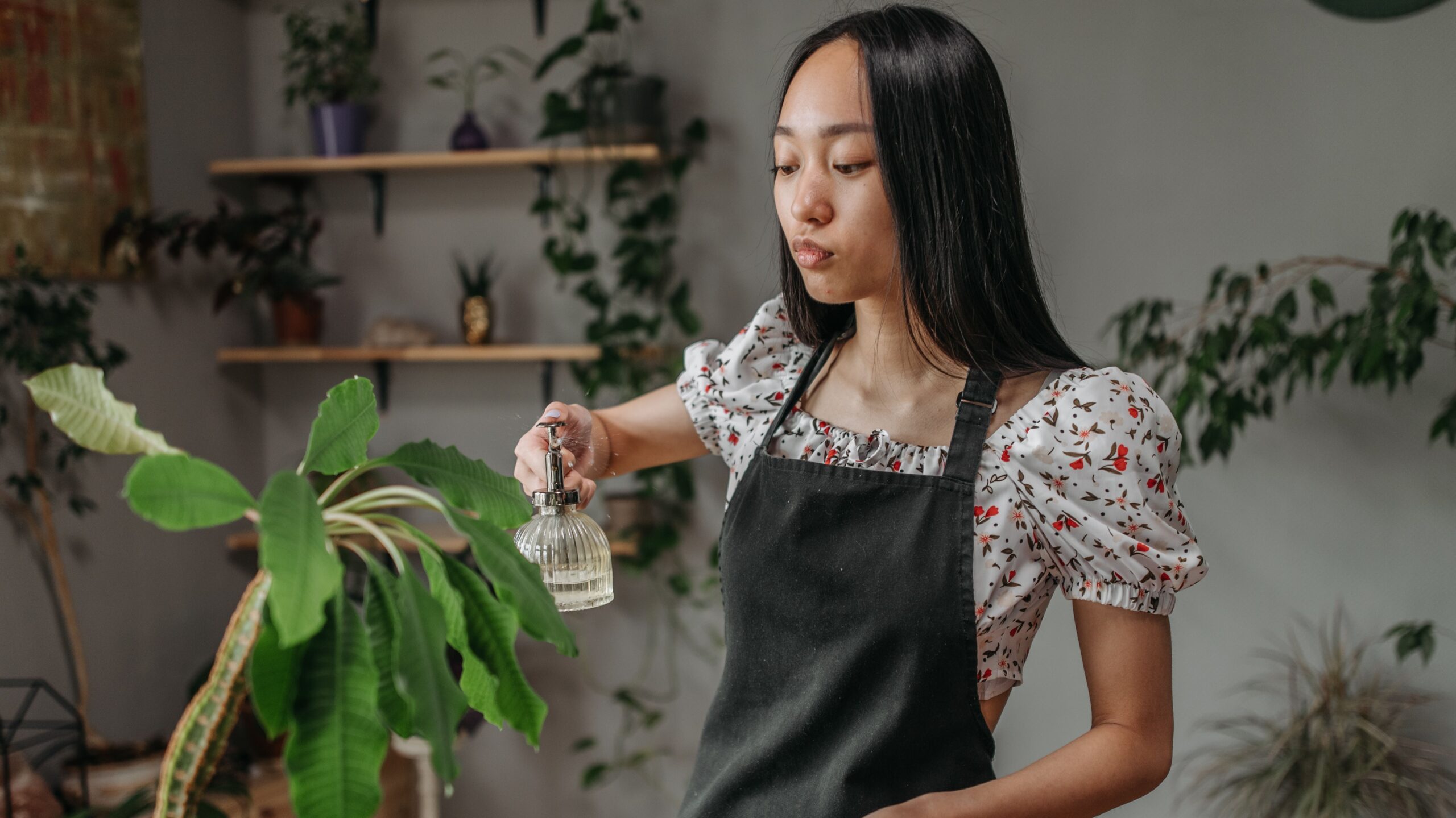
Even resilient plants need some basic care. Here are the most important guidelines to ensure your green corner thrives.
Watering is the most important secret
The most common mistake among beginners is overwatering . Many plants die from excess water, not lack of it. The golden rule is simple: before watering, stick your finger in the soil. If it comes out clean, it’s time to water; if it comes out dirty and damp, wait longer .
General frequency for plants on this list:
- Summer: once a week (for succulents) or when the soil is dry.
- Winter: every 15 days or more, depending on the species .
Proper lighting makes all the difference
Most plants on this list prefer indirect light. This means placing them near windows but without direct sunlight on the leaves during the hottest hours .
A good reference: the darker the environment, the less water the plant will need. In low-light locations, the soil takes longer to dry, so reduce watering frequency .
Pots and substrate: the basics that work
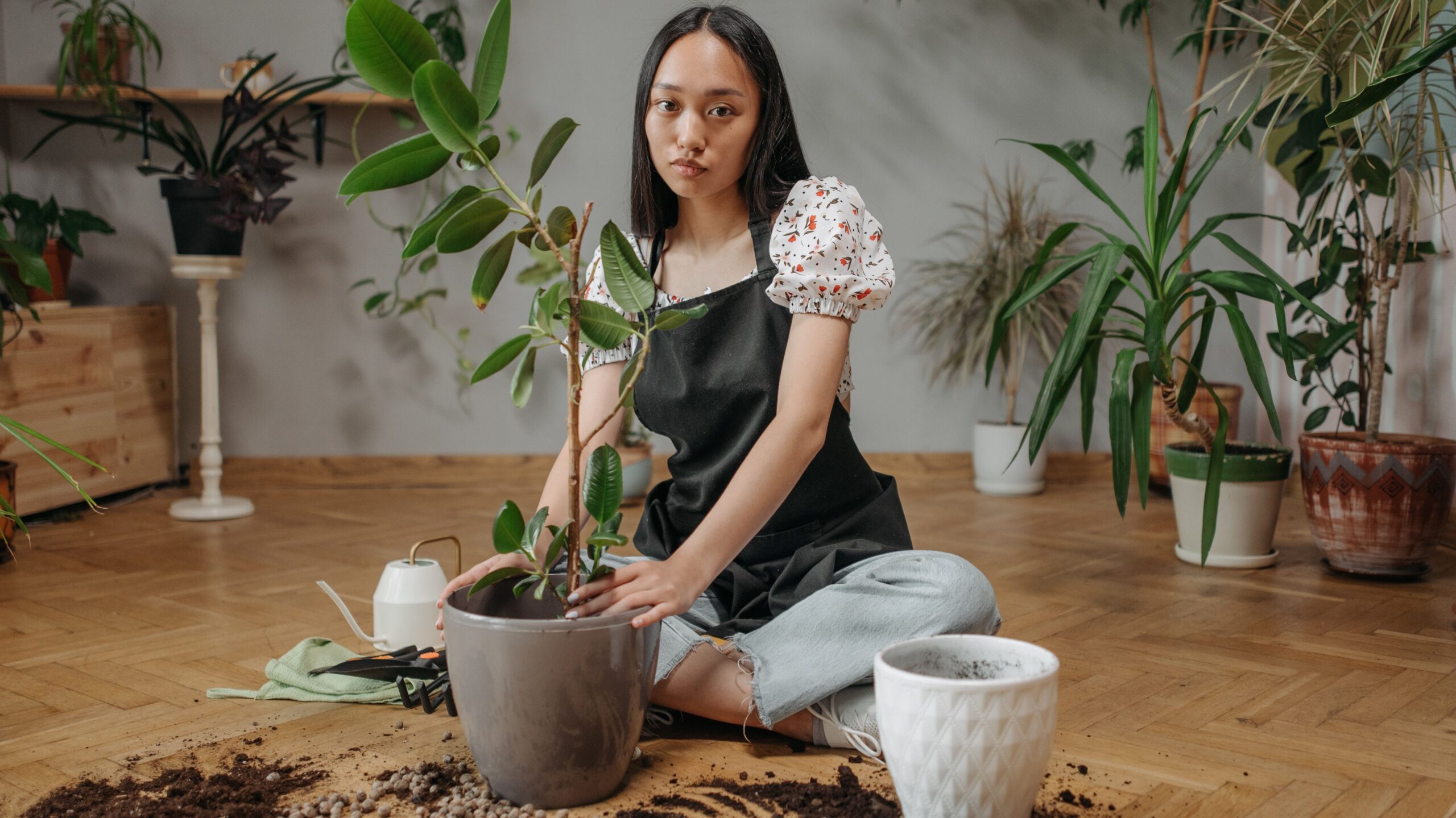
- Drainage holes: they are essential. Excess water needs to escape .
- Substrate: prefer mixtures that drain well, such as potting soil with coarse sand or specific substrate for succulents .
- Drainage layer: a layer of small pebbles or expanded clay at the bottom of the pot helps prevent water accumulation at the roots .
Weekly observation
Develop the habit of observing your plants once a week . Look at the leaves, touch the soil, and note the room’s lighting. Over time, you’ll learn to identify the signs each species gives when something is wrong .
15 easy-to-care-for plants 15 easy-to-care-for plants 15 easy-to-care-for plants
Common mistakes when caring for plants and how to avoid them
1. Watering every day
Watering out of habit, without checking the soil, is the main cause of plant death . Wait for the soil to dry before watering again.
2. Placing shade plants in direct sun
Each species has a light requirement. Placing a ZZ plant or peace lily in direct sunlight can burn the leaves .
3. Constantly moving the plant
Sudden environment changes hinder the plant’s adaptation . Choose an appropriate spot and keep it there.
4. Using pots without drainage
Accumulated water at the bottom of the pot rots the roots . Always prefer pots with holes.
5. Not cleaning the leaves
Dust buildup on leaves hinders photosynthesis. Occasional cleaning with a damp cloth makes a difference .

Frequently asked questions about easy-to-care-for plants
What’s the easiest plant for beginners?
The ZZ plant and snake plant are the champions of resilience. Both survive with little light, withstand long periods without water, and are very tolerant of small mistakes .
Can I have plants in a low-light apartment?
Yes! Many species adapt to low-light environments, including the ZZ plant, snake plant, pothos, peace lily, and succulents like haworthia .
What’s the most common mistake that kills beginners’ plants?
Overwatering. Most plants on this list die from excess water, not lack of it. Always check soil moisture before watering .
Can succulents stay indoors?
Yes, as long as they receive abundant indirect light. They should stay near windows but without direct sunlight during the hottest hours .
How do I know if I’m watering my plant correctly?
Stick your finger in the soil. If it comes out clean, it’s time to water. If it comes out dirty and damp, wait a few more days .
Do easy-to-care-for plants need fertilizing?
Yes, but in moderation. A specific fertilizer for succulents or a liquid fertilizer for green plants, applied every 2-3 months, is sufficient